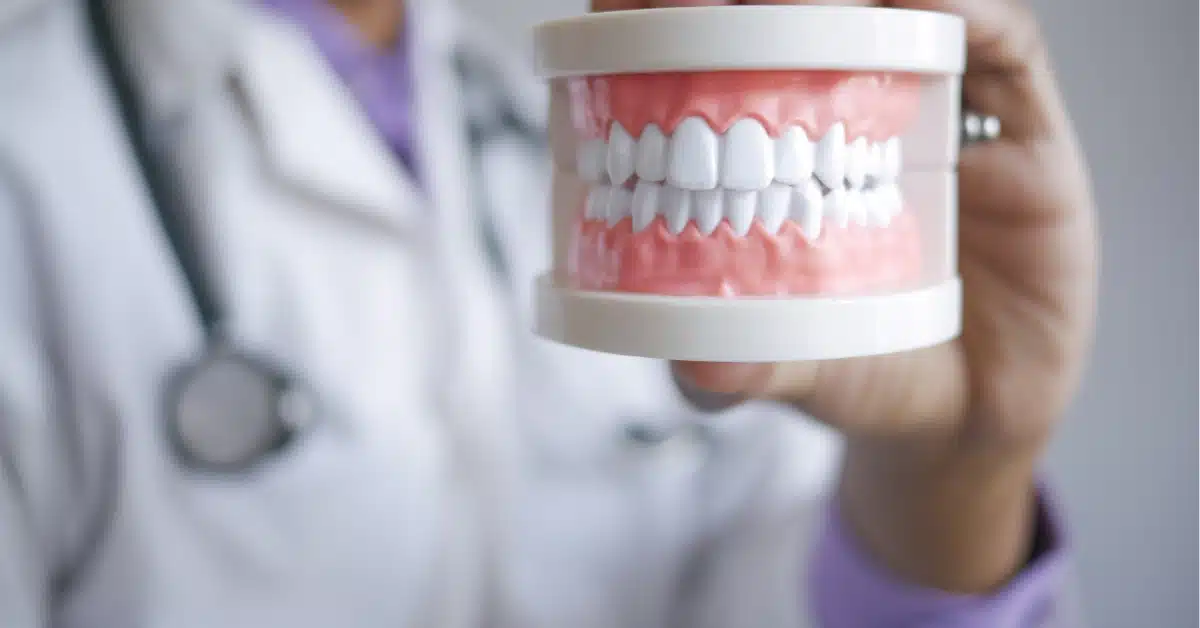
Types of Dentures: Exploring Modern Tooth Replacement
Types of dentures include full, partial, immediate, flexible, implant-retained, and fixed full-arch options. Start with the practical difference. Removable teeth come out at home; fixed full-arch teeth do not. The number of missing teeth and the support available in your mouth narrow the choices from there.
Comprehensive Dental Care compares those choices at its Henderson office. The examination may support several options, or it may rule some out quickly once the dentist checks the gums, remaining teeth, bite, and ridge.
Full denture
Removable replacement teeth supported by the gums and underlying ridge.
Partial denture
A removable appliance that fills gaps and connects around selected natural teeth.
Immediate denture
A transitional denture placed after extraction, then adjusted as the mouth heals.
Snap-in overdenture
A removable denture that connects to implant attachments for better stability.
Full-arch implant teeth
A restoration secured to implants and removed by the dental team for maintenance.
Flexible partial
A thin thermoplastic partial that may suit certain clasp and appearance concerns.
Understanding Different Types of Dentures
A full denture replaces every tooth in the upper jaw, lower jaw, or both. It is removed for cleaning. Fit, saliva, muscle control, and ridge shape all influence how stable it feels, especially in the lower jaw.
A partial denture replaces selected teeth. Clasps or other attachments provide retention while the remaining teeth continue to carry part of the bite. The dentist checks those teeth carefully because a partial is only as useful as the support around it.
Immediate dentures serve a different purpose. They prevent a gap on the day teeth are removed, but the gums and bone change during healing. Relines and adjustments are normal, and some patients need a new final denture after the mouth settles.
Types of Dentures: Quick Comparison Guide
Traditional full or partial
- Support
- Gums, ridge, and selected teeth
- Home cleaning
- Removed every day
- Often considered when
- A lower-cost, non-surgical path is preferred
Snap-in overdenture
- Support
- Gums plus implant attachments
- Home cleaning
- Removed every day
- Often considered when
- A loose lower denture needs more retention
Full-arch restoration
- Support
- Planned set of dental implants
- Home cleaning
- Cleaned in place and maintained professionally
- Often considered when
- Fixed teeth and stronger stability are priorities
Advanced Materials in Modern Denture Construction
Most denture bases are made from acrylic resin because it can be shaped, tinted, repaired, and adjusted. Partial dentures may use acrylic, a metal framework, flexible thermoplastic, or a combination of materials.
Digital records and milling can improve repeatability, but the manufacturing method does not settle the clinical choice. A material still has to tolerate the bite, allow practical cleaning, and leave room for future adjustment or repair.
How Denture Design Affects Your Smile
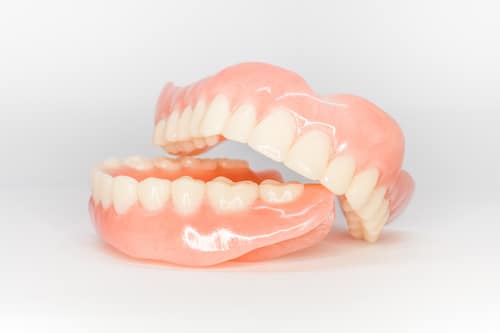
Natural-looking dentures depend on proportion more than brightness. Tooth width, length, edge shape, shade variation, and the amount of tooth shown at rest all matter. The gum-colored base also needs texture and contours that do not look flat or bulky.
Bring older photographs if they show your natural teeth clearly. They can help the dentist and laboratory discuss tooth position and character instead of choosing from a shade tab alone.
Improved Fit and Stability With New Dentures
A denture can fit well when it is delivered and become loose later because the supporting tissues continue to change. A reline may restore the fit when the teeth and bite are still serviceable.
Upper and lower dentures behave differently. The palate gives an upper denture a broad area for support and suction. The lower denture has less surface area and must work around the tongue, which is why lower-denture stability is a frequent reason to discuss implant attachments.
Adhesive can help in limited situations, but a growing need for adhesive may signal a fit, bite, or ridge problem. Persistent sores, clicking, fractures, or difficulty chewing deserve an examination. The FDA’s denture adhesive guidance explains correct use, zinc-related precautions, and when to contact a dental professional.
Implant-Supported Options for Permanent Solutions
An implant overdenture and a fixed full-arch restoration are not the same treatment. The overdenture still comes out at home. Fixed full-arch teeth stay attached and require cleaning beneath the restoration.
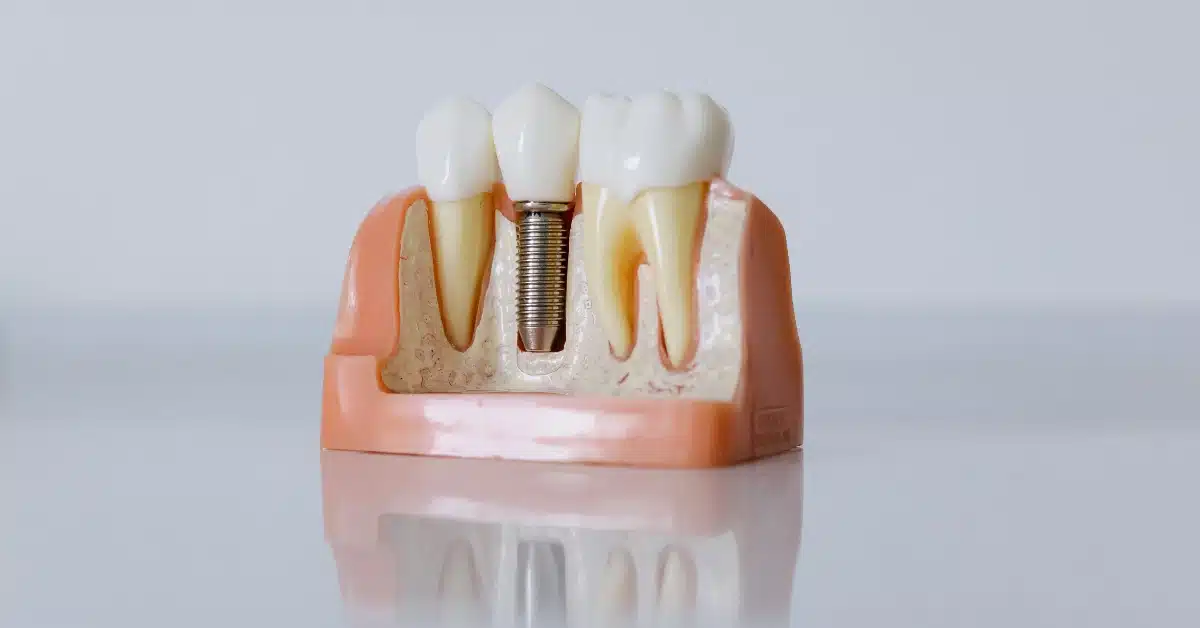
Bone volume, health history, bite forces, restorative space, and cleaning ability all affect candidacy. Read the detailed dental implants vs dentures comparison, learn how implant-supported dentures work, or review full-arch reconstruction for general fixed treatment. The separate Hybridge page covers that branded system.
Digital Technology and 3D-Printed Dentures
Digital scans, photographs, and saved design files can make records easier to reproduce. The same records can support several types of dentures, including full dentures and some implant-retained designs. Milled and printed dentures may also reduce some laboratory steps. The advantage is strongest when the digital record captures the bite, tooth position, and tissue detail well.
Digital workflows are one option. Some mouths are difficult to scan, and familiar acrylic materials can be easier to repair. The dentist and laboratory choose the method around the bite, records, and likely maintenance.
Understanding Your Investment in Dentures
Costs across the different types of dentures are not directly comparable. Fees change with the number of arches, extractions, healing dentures, framework material, implant treatment, relines, and laboratory work. A useful estimate separates the denture itself from surgery, implants, temporary appliances, and later maintenance.
Patients weighing a fixed option can review full-arch implant cost factors. The office can provide a case-specific treatment plan after an examination.
What to Expect: Your Denture Journey Timeline
Examination and records
The dentist checks the tissues, remaining teeth, bite, and available support, then records the mouth.
Design choices
You discuss tooth shape, shade, material, retention, and whether a temporary appliance is needed.
Try-in or digital review
Tooth position and bite are checked before the final denture is finished when the workflow allows it.
Delivery and adjustment
The dentist checks pressure areas, speech, appearance, and the way the upper and lower teeth meet.
Maintenance
Follow-up visits address sore spots, fit changes, hygiene, wear, and future reline or repair needs.
Are You a Candidate for Dentures?
Common Denture Misconceptions
Daily Denture Care Essentials
- Remove and clean a removable denture every day with a non-abrasive product.
- Clean the gums, tongue, palate, remaining teeth, and implant attachments.
- Keep the denture in water or the recommended solution when it is out of the mouth.
- Do not use household glue on a crack or broken tooth.
- Bring the denture to regular dental visits so fit, bite, and tissue health can be checked.
Choosing the Right Denture Type for Your Needs
Start with the problem you want solved. Is the priority replacing several teeth, avoiding a gap during healing, stabilizing a loose lower denture, or moving to fixed teeth? That answer narrows the options quickly.
The final plan still depends on the mouth. A consultation can compare the cleaning routine, likely maintenance, surgery, timing, and cost of each realistic choice.


Denture Planning With Dr. Gregg C. Hendrickson
A useful denture consultation separates what is removable, what is implant-retained, and what is fixed. Dr. Hendrickson reviews the gums, remaining teeth, bite, ridge, cleaning needs, and restorative space before recommending a path.
Meet the Comprehensive Dental Care teamWhat Patients Say About Their Care
Kevin writes about living with his full-mouth Hybridge restoration. Step N describes Dr. Hendrickson and the practice more generally, not a denture result.
“I have Hybridge implants and, compared to my real teeth, full mouth Hybridge was the best decision I made. Comprehensive Dental is a pleasure.”
“Professional, courteous, kind and compassionate. Dr Hendricks has a wonderful staff… He is a doctor that truly cares and delivers exquisite work.”
Schedule Your Denture Consultation in Henderson
Bring your current denture if you have one, along with questions about fit, materials, implants, and maintenance. Your written plan should identify which teeth are removable, which are fixed, and what each choice requires over time.
FAQs About Modern Dentures
How long do modern dentures typically last?
A calendar cannot tell you when a denture is finished. The teeth wear, while the gums and jaw beneath them keep changing. Some people need a reline first; others need a repair or a new denture after years of use. At an annual exam, the dentist looks at fit, wear, bite, and the health of the tissue underneath.
What are the newest materials used in denture construction?
Most new dentures still use familiar materials, but the way they are made has changed. Options include high-impact acrylic, layered acrylic teeth, metal frameworks, flexible thermoplastics, and milled or printed resins. The newest material on the shelf may be a poor match for a heavy bite or a denture that will need easy repairs later.
Can you eat normally with modern dentures?
Usually, after some practice. Cut food into manageable pieces at first and chew on both sides. A removable denture will not feel exactly like natural teeth, and hard or sticky foods can still be awkward. Implant attachments can make the denture steadier, especially in the lower jaw.
How do snap-in dentures differ from traditional dentures?
The hardware is the main difference. A regular denture rests on the gums. A snap-in denture connects to attachments on implants, so it moves less while you talk or eat. You still take it out to clean it.
What should I do if my dentures break or become damaged?
Take the denture out if it is sharp, cracked, or unstable. Save every piece and call the office. Household glue can contaminate the acrylic and complicate a proper repair. Our emergency dental service can check the mouth and tell you if the denture can be repaired safely.
Are flexible dentures better than traditional acrylic ones?
Sometimes. A flexible partial may hide clasps well or suit a particular mouth, yet it can be harder to adjust or repair. Acrylic remains useful because the dentist or lab can modify it in many situations. Tooth position, bite, clasp display, and future repair needs settle the choice.