
Dental Implants in Henderson, NV
Dental implants can replace one tooth, steady a removable denture, or support a fixed full arch. The right plan depends on your bone, gums, bite, health history, and the kind of teeth you want at the end.
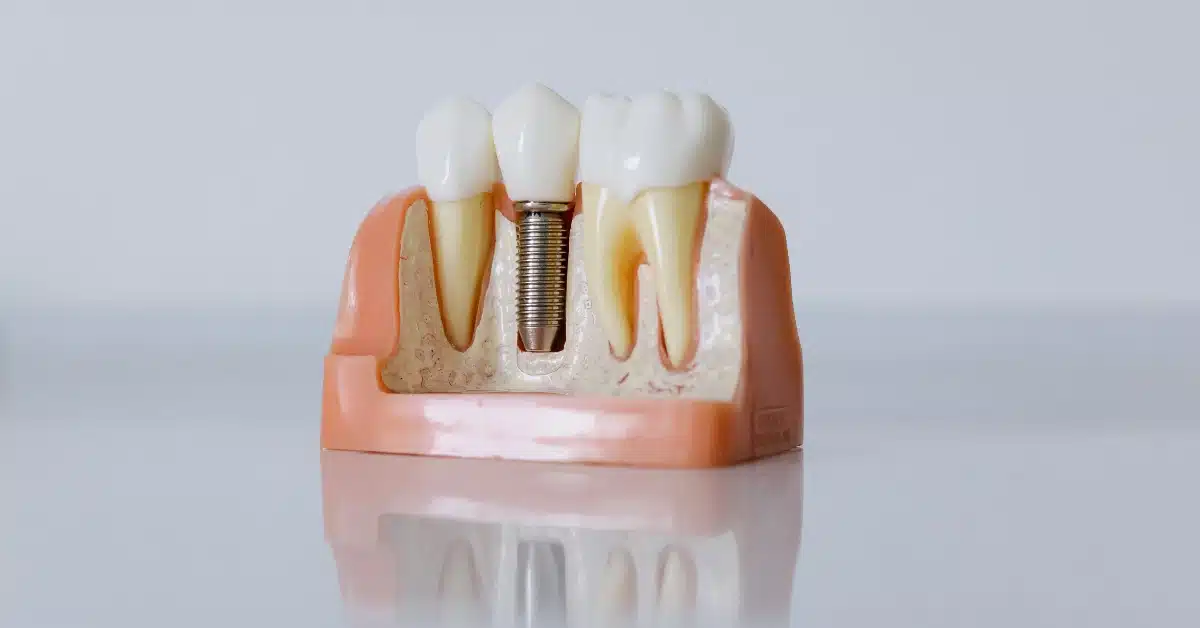
What Dental Implants Replace
A dental implant is a fixture placed in the jaw to support a restoration. The part you see may be a crown, a bridge, a removable overdenture, or a fixed row of replacement teeth. Those are different treatments, even though each one uses implants for support.
Implant crown
A single implant supports a crown without preparing the neighboring teeth for a conventional bridge.
Learn about dental implantsImplant overdenture
Attachments on the implants help a removable denture resist lifting and sliding. It still comes out for daily cleaning.
Review implant-supported denturesFixed full-arch teeth
A planned set of implants supports a restoration that stays attached during ordinary daily use.
Review full-arch reconstructionYour Implant Plan Starts With the Final Teeth
The implant has to emerge in a position that supports the crown or bridge and leaves room for cleaning. Planning therefore starts with the intended restoration and works backward to the implant position.
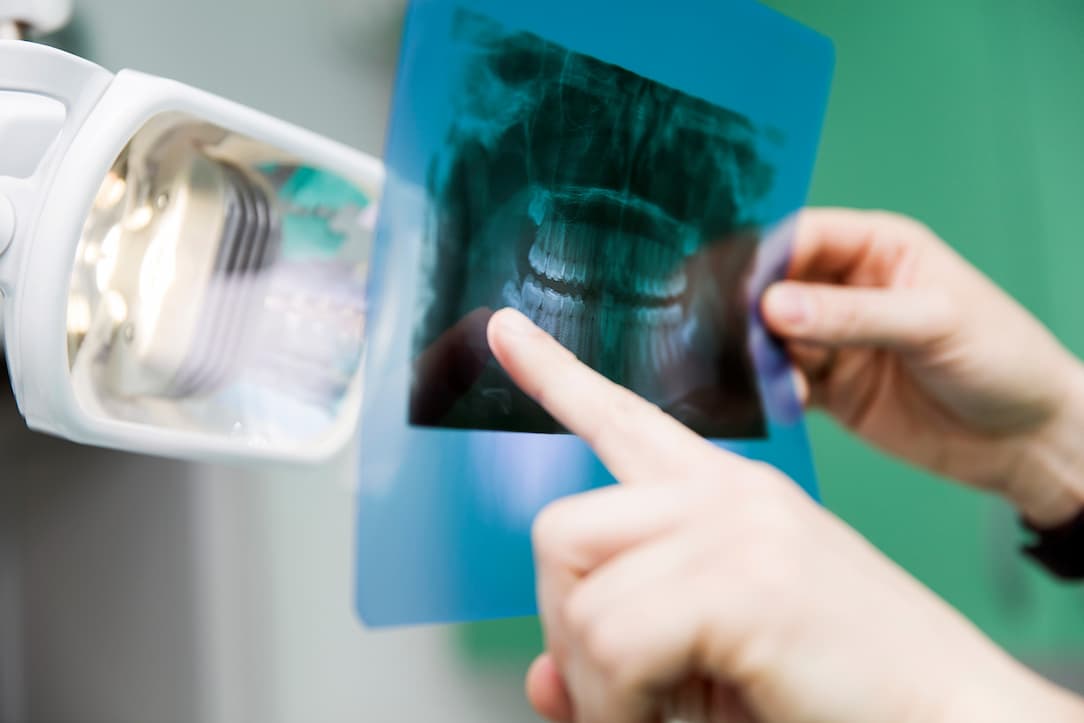
A 3D CBCT image may be used to review bone width and height, the sinus, and the nerve canal. Photographs, a bite record, and a digital or physical model help connect that anatomy to the final tooth position.
Who May Be a Candidate for Dental Implants?
A stable replacement is the goal
- One or more teeth are missing or cannot be restored.
- A removable denture shifts during meals or conversation.
- You want to compare a fixed full arch with removable options.
- You can maintain the restoration and return for follow-up care.
Some conditions need treatment first
- Active gum disease, decay, or an untreated infection.
- Bone loss that may require grafting or a different design.
- Smoking, uncontrolled diabetes, or medications that affect healing.
- Grinding or a bite that could overload the planned restoration.
Some patients with bone loss can still receive implants. The scan may point to bone grafting, a different implant position, or another type of restoration. The dentist needs the imaging and health history before making that call. The detailed implant candidacy guide covers the health and anatomy questions in more depth.
The Dental Implant Treatment Sequence
Consultation and records
Review your goals, teeth, gums, bite, health history, and any existing denture.
3D planning
Map the available bone and place the proposed restoration in the treatment plan.
Preparation and placement
Treat infection, remove teeth, graft when needed, and place the implant according to the agreed sequence.
Healing and temporary teeth
Allow the implant and bone to integrate. The temporary-tooth plan varies with the site and procedure.
Final restoration and maintenance
Fit the crown, bridge, overdenture, or full arch, check the bite, and establish a cleaning schedule.
For appointment-by-appointment details, read what to expect when getting dental implants.
Full-Arch Implant Options
Fixed full-arch treatment replaces all teeth in the upper jaw, lower jaw, or both. The number and position of implants are planned around the bone, bite forces, restorative space, and final prosthesis. All-on-4 describes one approach; four implants are not a universal rule.
For general treatment planning, visit full-arch reconstruction. If you are specifically comparing the Hybridge system, see Hybridge Full Arch Restorations.
Implant Cost, Insurance, and Financing
Ask for the phases in writing
A single implant crown and a fixed full arch do not belong under one price. Your estimate may include extractions, grafting, sedation, temporary teeth, implant components, laboratory work, and the final restoration.
The team can review available patient financing after the treatment plan is complete.
Check these line items
- Imaging and surgical guide
- Implant placement and grafting
- Temporary tooth or denture
- Abutment and final restoration
- Maintenance visits and replacement parts
Comfort and Sedation
The treatment area is numbed for implant placement. The pressure and vibration of the procedure can still feel unfamiliar, so tell the team if you are uncomfortable. Soreness afterward depends on how many sites were treated and whether the visit also included extractions or grafting.
Patients who are anxious or having a longer procedure can ask whether sedation dentistry is appropriate for their health and treatment.
Dental Implant Care at Comprehensive Dental Care

Know who handles each phase
Implant care can include surgical and restorative appointments. Before treatment begins, ask who places the implant, who makes the final teeth, where each visit occurs, and who to call during healing.


Implant Care With Dr. Gregg C. Hendrickson
Dr. Hendrickson plans the visible restoration and the bite together with the implant position. That coordination changes with the case: a single front tooth, a back-tooth crown, and a fixed full arch do not present the same restorative problem.
Your consultation should leave you with the treatment sequence, alternatives, and maintenance expectations in writing. Bring an existing denture or prior scans if you have them.
Meet Dr. Gregg HendricksonWhat Patients Say About Their Care
Kevin writes about living with his Hybridge restoration. Step N describes Dr. Hendrickson and the practice more generally, not an implant result.
“I have Hybridge implants and, compared to my real teeth, full mouth Hybridge was the best decision I made. Comprehensive Dental is a pleasure.”
“Professional, courteous, kind and compassionate. Dr Hendricks has a wonderful staff… He is a doctor that truly cares and delivers exquisite work.”
Get an Implant Plan You Can Compare
Review the bone, bite, planned teeth, timing, and cost together. The consultation should make clear which options fit your mouth and why.
Frequently Asked Questions About Dental Implants in Henderson
Timing, comfort, and cost depend on the number of sites and the restoration being planned. These answers cover the factors discussed during an implant consultation.
How long does the dental implant process take?
It depends on the treatment. One implant in a healed site can follow a shorter schedule than extractions, grafting, or a full arch. Bone usually needs time to integrate before the final teeth are completed, although temporary teeth may be possible. After reviewing the scan, the dentist can put the appointments in order.
Are dental implants painful?
The area is numb during implant placement. You may notice pressure and vibration, but tell the team immediately if you feel sharp pain. Soreness and swelling afterward vary with the number of sites and whether the visit included an extraction or graft.
What are All-on-4 dental implants?
All-on-4 is one method of supporting a fixed row of replacement teeth with four implants. Four is not the right number for every jaw. Bone, implant position, bite forces, restorative space, and the final prosthesis determine the plan.
Can I get dental implants if I have bone loss?
Possibly. Some sites can be grafted, while other plans use a different implant position or type of replacement teeth. A regular photograph cannot answer that question. A 3D image can show the bone and nearby anatomy.
How much do dental implants cost in Henderson, NV?
A single implant crown and a fixed full arch have very different costs. Extractions, grafting, sedation, temporary teeth, components, and the final restoration all affect the estimate. Ask for the surgical and restorative phases in writing so you can see what is included.
How do I care for dental implants?
Clean them every day using tools that fit the restoration. Fixed full-arch teeth need cleaning underneath, while a single implant crown is cleaned around the gum line. At checkups, the dentist reviews the tissue, bone levels, bite, and hardware.
