Tooth Sensitivity Treatments: The Best Way To Find Relief That Lasts
Table of Contents
Here’s what most people don’t realize about tooth sensitivity treatment: the toothpaste aisle solutions only mask the problem. Real, lasting relief comes from identifying why your teeth hurt in the first place, then addressing that specific cause. Sometimes it’s exposed root surfaces from receding gums. Other times, it’s microscopic cracks in your enamel or damage from years of grinding. Until you know the source, you’re just covering symptoms.
I’ve spent over two decades helping patients in Henderson and Las Vegas find actual answers to their tooth sensitivity. Not temporary fixes. Not “just use this special toothpaste” advice. Real diagnostic work that identifies whether you need a simple fluoride treatment, gum therapy, or something more comprehensive like bonding or a custom night guard.
The difference between effective tooth sensitivity treatment and wasted money comes down to one question: are you treating the symptom or solving the problem? Most dentists hand you a sample of desensitizing toothpaste and send you home. We use advanced imaging to see exactly what’s compromising your enamel, exposing your dentin, or irritating your nerves. Because your teeth shouldn’t hurt when you eat, drink, or breathe cold air.
What you’re about to read isn’t another generic list of sensitivity tips. This is the framework we use at Comprehensive Dental Care to diagnose the actual cause of tooth sensitivity and create treatment plans that eliminate pain rather than just dulling it temporarily. Some causes need professional intervention. Others respond to specific at-home strategies. All of them require accurate diagnosis first.
Why Your Tooth Sensitivity Won’t Go Away (And What That Means)

You’ve tried the sensitive teeth toothpaste. Maybe multiple brands. You switched to a soft-bristled brush. You avoid ice cream and hot coffee. And yet, here you are – still wincing when cold air hits your teeth, still careful about what you eat and drink. This isn’t your fault. The problem is that most tooth sensitivity treatment advice focuses on numbing the nerve endings without ever asking why they’re exposed in the first place.
Think of it this way: if your home alarm keeps going off, you could disconnect the alarm. Problem solved, right? Except the alarm was telling you something important – maybe there’s actually a break-in happening. Desensitizing toothpaste works the same way. It blocks the pain signal traveling through your tooth’s tiny tubules to the nerve. But it doesn’t repair the enamel loss, reverse the gum recession, or fix the crack that’s letting temperature changes reach your nerve in the first place.
I see this pattern constantly in my practice. Someone comes in after six months of using sensitivity toothpaste, frustrated because it helped for a few weeks but now the pain is back. When we examine their teeth, we find exposed root surfaces from brushing too hard, or acid erosion from their daily lemon water habit, or nighttime grinding that’s created hairline fractures. The toothpaste never had a chance because it was treating a symptom, not a cause.
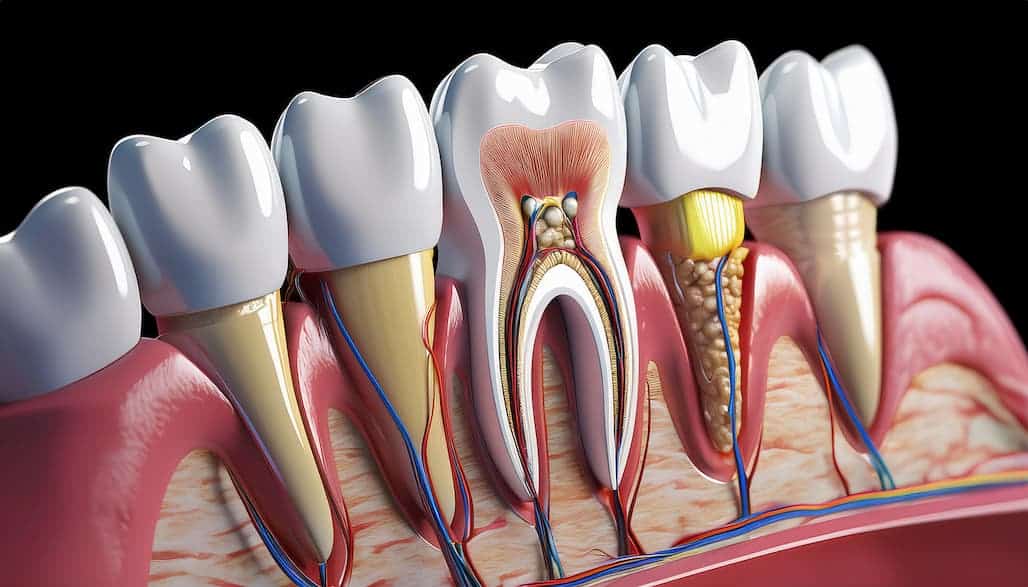
Here’s what actually happens when you have tooth sensitivity: your protective enamel layer has been compromised somehow. Maybe it’s worn away. Maybe your gums have receded, exposing the softer root surface underneath. Maybe there’s a crack you can’t see. Whatever the specific cause, the result is the same – the inner layer of your tooth (called dentin) becomes exposed. Dentin contains thousands of microscopic channels that lead directly to your tooth’s nerve. When hot, cold, sweet, or acidic substances reach those channels, they trigger pain.
The standard treatment approach – use this special toothpaste, avoid trigger foods – manages the pain and sensitivity by blocking those channels. But it doesn’t address why the channels are exposed. It doesn’t rebuild lost enamel. It doesn’t reverse gum recession. It doesn’t repair cracks. So the sensitivity often returns, or gets worse over time, because the underlying problem continues progressing while you’re focused on symptom management.
This is exactly why we start every tooth sensitivity treatment with diagnosis. Not just “you have sensitive teeth” – that’s obvious. But specifically: which teeth are affected, what structures are compromised, what’s causing the compromise, and how far has it progressed? Because a crack needs different treatment than erosion. Recession requires different intervention than grinding damage. And attempting the wrong treatment wastes your time and money while your condition potentially worsens.
What’s Really Causing Your Sensitive Teeth
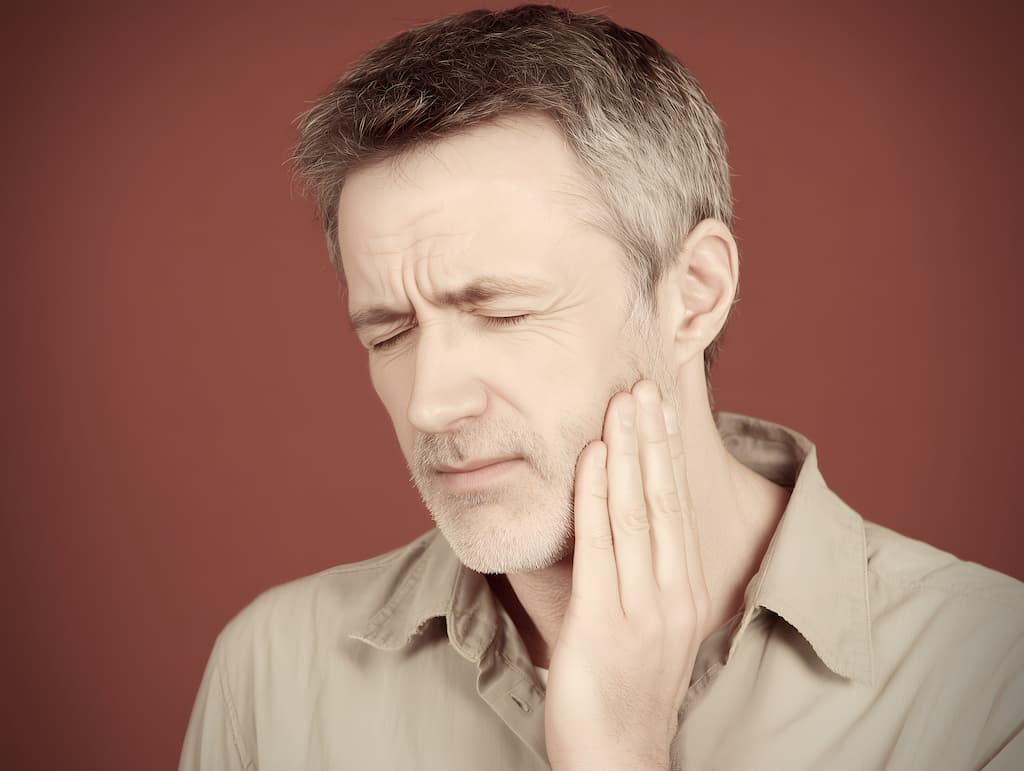
Before we can talk about effective treatment, you need to understand what’s actually happening in your mouth. Tooth sensitivity doesn’t just appear randomly. It develops from specific, identifiable causes – and knowing your particular cause determines which treatment will actually work for you.
Enamel erosion is probably the most common culprit I see. Your enamel is the hard, protective outer layer of your tooth. It’s the hardest substance in your body, but it’s not indestructible. Acidic foods and drinks (citrus, soda, wine, even those seemingly healthy apple cider vinegar shots) gradually dissolve this protective layer. Aggressive brushing wears it down mechanically. Some people naturally have thinner enamel from genetics. Once enough enamel is lost, the underlying dentin becomes exposed, and suddenly you’re experiencing sensitivity that wasn’t there before. The challenge with enamel is that your body can’t regenerate it – once it’s gone, it’s gone. Treatment focuses on protecting what remains and potentially covering exposed areas.
Gum recession exposes a completely different part of your tooth – the root surface. Unlike the crown of your tooth (the part you see when you smile), your roots aren’t covered by enamel. They’re covered by a much softer material called cementum. When your gums recede due to periodontal disease, aggressive brushing, or simple aging, this cementum becomes exposed. It wears away much faster than enamel would, exposing those dentin tubules we talked about earlier. I see patients who’ve been brushing extra hard because they think it’s better – not realizing they’re actually pushing their gums away from their teeth and creating the sensitivity problem they’re trying to prevent.
Cracked or fractured teeth create pathways for temperature and pressure to reach your nerve. Sometimes these cracks are obvious – you bit down on something hard and felt a sharp pain. Other times, they’re microscopic stress fractures from years of grinding or clenching, invisible to the naked eye but detectable with our imaging technology. These cracks act like little highways carrying sensation straight to your nerve. No amount of desensitizing toothpaste will seal a crack. You need actual restoration – bonding, a crown, or in severe cases, a root canal if the crack has reached the nerve chamber.
Recent dental procedures can temporarily sensitize teeth. This usually resolves on its own within a few weeks as your tooth adjusts to the new filling, crown, or whitening treatment. But if sensitivity persists beyond six weeks, it might indicate that the restoration needs adjustment, there’s a gap allowing bacteria in, or the nerve has been more significantly affected than expected. This is why we always schedule follow-up appointments after major work – to make sure temporary sensitivity doesn’t become a permanent problem.
Teeth grinding and clenching (bruxism) literally wears your teeth down, flattening the chewing surfaces and creating stress fractures. Many people grind their teeth at night without realizing it – their first clue is often unexplained tooth sensitivity or jaw pain in the morning. The constant pressure and friction not only wear away enamel but can also cause gum recession as your teeth are pushed and rocked in their sockets. I’ve seen patients wear through a millimeter or more of enamel from grinding, exposing dentin across multiple teeth. This is one cause where the solution is straightforward – a custom night guard to protect your teeth while you sleep – but only if we identify grinding as the cause.
Gum disease in its early stages (gingivitis) rarely causes sensitivity, but as it progresses to periodontitis, it destroys the bone and gum tissue supporting your teeth. This recession exposes root surfaces and creates pockets where bacteria accumulate, causing both infection and sensitivity. The treatment here isn’t just about the sensitivity – it’s about saving your teeth from progressive bone loss. This is why accurate diagnosis matters so much. If gum disease is causing your sensitivity, you don’t need fluoride treatments or desensitizing agents. You need periodontal therapy.
Sometimes multiple factors combine. I’ve treated patients with gum recession from brushing too hard, combined with enamel erosion from acidic beverages, complicated by nighttime grinding. In these cases, tooth sensitivity treatment becomes a comprehensive plan addressing each contributing factor – maybe a night guard plus technique instruction plus dietary modifications plus professional fluoride treatments. This is exactly why the “try this toothpaste” approach fails so often. It’s attempting a one-size-fits-all solution to a condition with multiple potential causes.
Professional Tooth Sensitivity Treatments That Actually Work
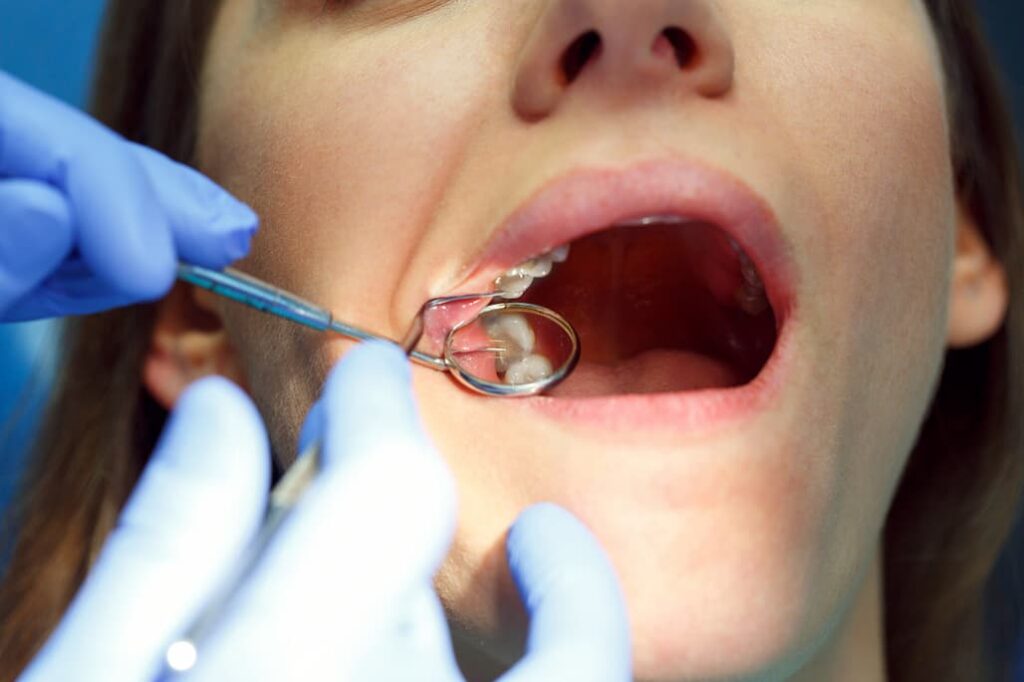
Once we’ve identified what’s causing your sensitivity, we can match you with the treatment that will actually solve your specific problem. Here’s what’s available, what each treatment addresses, and when we recommend them:
In-Office Fluoride Treatments
Best for: Early enamel erosion, mild sensitivity, prevention of further damage. Professional fluoride treatments use much higher concentrations than over-the-counter products – we’re talking 22,600 ppm compared to the 1,000-1,500 ppm in your toothpaste at home. This concentrated fluoride penetrates into your enamel, strengthening the existing structure and helping to remineralize early areas of decay or erosion.
We apply it as a gel, foam, or varnish directly to your teeth and let it sit for several minutes. Most patients need a series of treatments – maybe one every few months initially, then maintenance appointments. It’s painless, quick, and surprisingly effective for the right candidates. The key phrase there is “the right candidates.” If your enamel is severely eroded or your roots are exposed, fluoride helps but won’t completely eliminate sensitivity on its own.
Desensitizing Agents and Bonding Materials
Best for: Exposed root surfaces, small areas of enamel loss, post-procedure sensitivity. These treatments involve applying a tooth-colored resin or specialized desensitizing agent directly to the exposed dentin or root surface. Think of it as creating a protective barrier between the sensitive inner layer of your tooth and the outside environment.
For exposed roots from gum recession, we often use dental bonding – the same material used for cosmetic tooth repairs. It adheres to the tooth surface, covers the exposed area, and can last for years with proper care. Some patients worry about aesthetics, but modern bonding materials are nearly invisible when applied correctly. I’ve used this technique hundreds of times on front teeth with excellent cosmetic results.
Gum Grafting
Best for: Significant gum recession, especially on front teeth where aesthetics matter. When your gums have receded to the point where substantial root surface is exposed, sometimes the best solution is actually restoring the gum tissue itself. A gum graft takes tissue from another area of your mouth (usually the roof) and attaches it to the receded area.
I’ll be honest – this is a surgical procedure with a recovery period. But for the right patient, it’s life-changing. Not only does it eliminate sensitivity by covering the exposed roots, but it also prevents further recession and can dramatically improve the appearance of your smile. We typically reserve this for cases where recession is severe, progressive, or affecting your front teeth where appearance matters most.
Custom Night Guards
Best for: Sensitivity caused by grinding or clenching, stress fractures, worn teeth. If your sensitivity stems from nighttime bruxism, a custom night guard is your solution. These aren’t the bulky, uncomfortable one-size-fits-all guards from the drugstore. We create a precise model of your teeth and fabricate a guard that fits perfectly, protects effectively, and is actually comfortable enough to wear consistently.
The guard creates a barrier between your upper and lower teeth, distributing bite forces and preventing the grinding action that wears down enamel and creates sensitivity. Most patients adapt within a week and can’t imagine sleeping without it. I wear one myself – I started grinding during a particularly stressful period years ago, and my sensitivity disappeared within a month of consistent night guard use.
Root Canal Therapy
Best for: Severe sensitivity that doesn’t respond to other treatments, deep cracks reaching the pulp, irreversible nerve damage. Let me address this one directly because I know root canals have a reputation. Modern root canal therapy is nothing like the horror stories you’ve heard. With proper anesthesia and technique, it’s no more uncomfortable than getting a filling.
We only recommend root canal treatment when the tooth’s nerve is irreversibly damaged or infected. If you have one tooth with extreme sensitivity – we’re talking pain that wakes you up at night, that doesn’t respond to any other treatment – sometimes the nerve itself is the problem. Removing it eliminates the pain permanently. Is it our first choice? No. But for the right situation, it’s the difference between keeping a functional tooth and eventually losing it to infection.
Periodontal Treatment
Best for: Sensitivity caused by gum disease, deep pockets, bone loss. When gum disease is the underlying cause, we need to address the infection and inflammation before sensitivity will improve. This might involve deep cleaning (scaling and root planing), laser therapy, or in advanced cases, surgical intervention.
Here’s what makes this tricky: treating gum disease sometimes temporarily increases sensitivity as we clean bacteria from those deep pockets. But this is a necessary step toward healing. Once the infection is controlled and your gums can reattach to your tooth roots, sensitivity typically improves significantly. We often combine periodontal treatment with fluoride therapy or desensitizing agents to manage sensitivity during the healing process.
The treatment you need depends entirely on your specific diagnosis. This is why we invest in advanced imaging technology at Comprehensive Dental Care – digital X-rays, intraoral cameras that can magnify and photograph specific areas, and 3D CBCT scans when needed. These tools let us see exactly what’s happening beneath your gums, inside your tooth structure, and throughout your bone. We’re not guessing at your treatment. We’re prescribing based on clear visual evidence of what’s causing your pain.
At-Home Solutions for Managing Tooth Sensitivity
Professional treatment addresses the root cause, but your daily habits play a crucial role in managing sensitivity and preventing it from returning or worsening. Here’s what actually works at home – and what’s just marketing:
Desensitizing Toothpaste: How It Actually Works
I mentioned earlier that desensitizing toothpaste treats symptoms rather than causes. That’s true. But when used correctly alongside professional treatment, it can provide significant relief. These toothpastes contain compounds like potassium nitrate or stannous fluoride that block those microscopic tubules in your dentin, preventing sensation from reaching your nerve.
The catch is consistency. You need to use it twice daily for at least two weeks before you’ll notice improvement. Many patients try it for a few days, don’t see immediate results, and give up. That’s not how the chemistry works. The blocking compounds need time to accumulate and seal those tubules. I tell patients to commit to one full tube before deciding if it’s helping.
Here’s a technique most people don’t know: after your regular brushing at night, apply a small amount of desensitizing toothpaste directly to your sensitive areas with your finger and leave it there. Don’t rinse. Let it sit overnight. This maximizes contact time and penetration. It feels weird the first few nights, but patients tell me this technique works better than just brushing normally.
Proper Brushing Technique
Use a soft-bristled brush. Not medium. Definitely not hard. Soft. The bristles should flex easily against your teeth. Stiff bristles don’t clean better – they damage your enamel and push your gums away from your teeth, creating the recession and sensitivity you’re trying to avoid.
Hold your brush like a pen, not like a scrub brush. This naturally limits the pressure you apply. Most people brush way too aggressively, thinking harder equals cleaner. It doesn’t. The mechanical action and fluoride in your toothpaste do the work. Your job is gentle guidance, not forceful scrubbing.
Angle the brush at 45 degrees toward your gum line and use small circular motions. You’re trying to clean the tooth-gum junction where plaque accumulates, not saw back and forth across your teeth like you’re trying to start a fire. The back-and-forth sawing motion is a primary cause of gum recession in my patients.
Don’t brush immediately after acidic foods or drinks. Acid temporarily softens your enamel. Brushing while it’s soft accelerates erosion. Wait at least 30 minutes, or rinse with plain water first to neutralize the acid. I see this mistake constantly with patients who drink citrus juice at breakfast and immediately brush. They’re literally scrubbing acid deeper into their enamel.
Dietary Modifications That Matter
Certain foods and drinks directly contribute to enamel erosion and sensitivity. I’m not going to tell you to eliminate everything you enjoy, but strategic modifications can make a real difference:
Acidic beverages are the biggest culprits – soda (including diet varieties), citrus juices, wine, sports drinks, even flavored sparkling water. If you’re going to consume them, use a straw to minimize tooth contact, drink them with meals rather than sipping throughout the day, and rinse with plain water afterward. The constant bathing of your teeth in acid is worse than drinking the same amount all at once.
Extremely hot or cold foods trigger existing sensitivity but don’t cause it. If you’re already sensitive, letting your coffee cool slightly or avoiding ice-cold beverages reduces discomfort. But this is symptom management. If you’re avoiding entire categories of food and drink because of sensitivity, that’s a sign you need professional diagnosis and treatment, not just dietary workarounds.
Sugary and sticky foods feed the bacteria that produce acid as a byproduct of metabolism. That acid then erodes enamel. This doesn’t mean never eat sugar – it means be strategic. Eating dessert after dinner, when you’re about to brush anyway, is smarter than snacking on candy throughout the afternoon.
Fluoride Rinses and Supplements
Over-the-counter fluoride rinses can help strengthen enamel between dental visits. Look for products with at least 0.05% sodium fluoride and use them daily, preferably at night before bed so the fluoride has maximum contact time. These won’t perform miracles, but as part of a comprehensive approach, they contribute to enamel protection.
Some areas – including parts of Nevada – have minimal natural fluoride in the water supply. If you drink primarily bottled or filtered water, you might benefit from discussing fluoride supplementation with your dentist. We can assess your risk factors and recommend whether additional fluoride makes sense for your situation.
Here’s the reality: at-home care manages sensitivity and prevents progression. But if you’re already experiencing significant sensitivity, these techniques supplement professional treatment, they don’t replace it. I’ve had patients who’ve been “managing” sensitivity with dietary restrictions and special toothpastes for years, when a single appointment for diagnosis and proper treatment could have eliminated the problem. Don’t let sensitivity dictate what you can eat and drink. Get the actual problem identified and fixed.
How We Identify the Root Cause at Comprehensive Dental Care
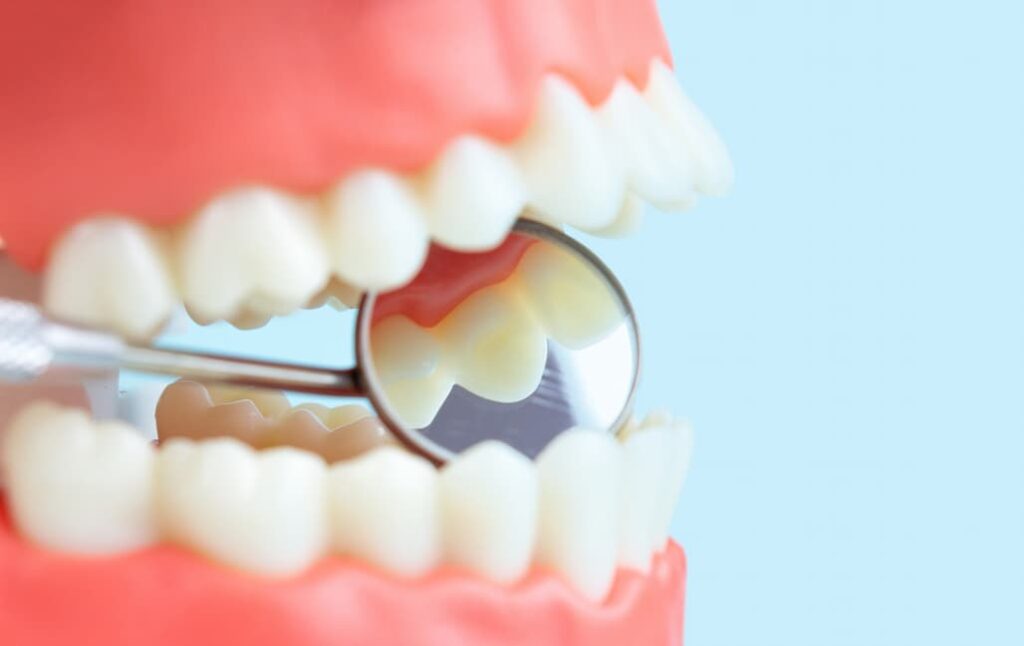
Everything I’ve described so far – the different causes, the various treatments, the importance of accurate diagnosis – comes together in our evaluation process. This is where tooth sensitivity treatment stops being guesswork and starts being targeted intervention.
Your first appointment isn’t about selling you treatment. It’s about understanding exactly what’s happening in your mouth. We start with a detailed conversation about your symptoms. When did the sensitivity begin? Which teeth are affected? What triggers it – temperature, pressure, sweet foods? Has it gotten worse over time? These details matter because they point us toward specific causes. Sensitivity that started suddenly after dental work suggests one thing. Gradual worsening over months or years suggests another.
Then we conduct a thorough clinical examination. I’m looking at your gum tissue – is there recession? Where and how much? I’m checking your enamel – is it worn, eroded, or cracked? I’m examining existing fillings and crowns – are there gaps or defects? I’m testing your bite – is there evidence of grinding? This hands-on assessment, combined with advanced imaging, gives us a complete picture.
Here’s where technology makes the difference. Digital X-rays show us what’s happening beneath the surface – bone levels, tooth structure, hidden decay. Our intraoral cameras can magnify areas up to 40 times, letting us see and photograph tiny cracks or areas of erosion that would be invisible in a standard visual exam. When needed, we have 3D CBCT scanning that creates a complete three-dimensional map of your teeth, roots, bone, and sinuses. This level of detail removes guesswork from diagnosis.
But technology is only valuable if you know how to interpret it and translate findings into effective treatment. This is why experience matters. I’ve diagnosed and treated thousands of sensitivity cases over two decades. I’ve seen how different conditions present. I know which treatments work for which causes. I can usually identify the problem and predict which intervention will succeed based on my clinical judgment plus our imaging data.
Once we’ve identified your specific cause, we discuss your options. Sometimes there are multiple approaches – maybe we could do bonding or a gum graft, and which is better depends on your priorities and concerns. I explain what each treatment involves, what results you can expect, what the timeline looks like, and what the investment is. You make informed decisions about your care, not pressured ones.
This diagnostic approach is exactly why patients drive from across the Las Vegas Valley to our Henderson location. They’ve been to dentists who prescribed sensitivity toothpaste without examining them. Who recommended expensive treatments without explaining why. Who seemed more interested in filling appointment slots than solving problems. Our philosophy is different – your mouth is the gateway to your body. Tooth sensitivity isn’t just an inconvenience. It’s a signal that something’s wrong, and our job is figuring out what and fixing it correctly.
Many of our sensitivity patients come to us because they have other dental needs – maybe they’re considering implants for missing teeth, or they need cosmetic work, or they’re dealing with emergency dental problems. They discover that the comprehensive, diagnostic approach we take with sensitivity is the same approach we take with everything. We’re not treating symptoms. We’re protecting your overall health through dental care that identifies and addresses root causes.
When to Seek Professional Help for Tooth Sensitivity
Not every case of tooth sensitivity requires immediate professional intervention. Mild, occasional sensitivity that responds to over-the-counter products might be fine to monitor. But certain warning signs indicate you need professional diagnosis and treatment – and the sooner, the better.
Sensitivity that persists longer than two weeks despite using desensitizing toothpaste consistently suggests something beyond superficial enamel erosion. Your body is telling you there’s a problem that home care can’t solve. The longer you wait, the more time that underlying cause has to progress and potentially damage your tooth structure or gum tissue further.
Pain that wakes you from sleep or that throbs spontaneously without any trigger indicates possible nerve involvement. This isn’t normal sensitivity. This is your nerve chamber becoming inflamed or infected, and it requires immediate attention. What starts as manageable discomfort can escalate to an abscess requiring emergency treatment. I’ve seen patients who waited weeks on this type of pain, hoping it would resolve, only to need root canal therapy that might have been preventable with earlier intervention.
Sensitivity limited to one specific tooth rather than generalized sensitivity across multiple teeth often points to a specific problem with that tooth – a crack, deep decay, a failing restoration, or gum disease affecting that area. Generalized sensitivity might come from overall enamel erosion or recession. But when one tooth hurts significantly more than others, there’s usually a structural problem that needs repair.
Visible changes to your teeth or gums – obvious recession, dark lines near the gum line, visible cracks, changes in tooth color – require professional evaluation even if they’re not causing pain yet. These visual changes indicate progressive damage. Sensitivity often develops gradually, so by the time you notice it, the condition may be quite advanced. Catching problems early, before they cause significant sensitivity or pain, is always easier and less expensive to treat.
Sensitivity that’s getting progressively worse over time means the underlying cause is active and ongoing. Maybe you’re grinding more heavily due to stress. Maybe your acidic beverage habit is accelerating erosion. Maybe gum disease is progressing. Whatever the cause, worsening symptoms indicate a need for diagnosis and intervention, not continued at-home management.
Difficulty eating or drinking normal foods and beverages because of tooth sensitivity has crossed from minor inconvenience to quality-of-life issue. If you’re avoiding coffee, ice cream, fruits, or other foods you enjoy because of your teeth, you’re living with an unnecessary restriction. Modern dentistry can identify and treat your specific cause. You shouldn’t have to adjust your entire diet around dental pain.
Here’s what happens when you delay treatment: the condition causing your sensitivity continues progressing. Enamel erosion gets deeper. Gum recession exposes more root surface. Cracks propagate further into tooth structure. What might have been fixable with a simple fluoride treatment or bonding procedure becomes more complex – potentially requiring gum grafts, crowns, or root canal therapy. And more complex treatment means more time, more appointments, and higher cost.
I tell patients there’s a window of opportunity with dental problems. Early intervention keeps things simple. Delayed intervention makes things complicated. And sometimes, if you wait too long, we run out of options to save the tooth at all. I’ve had to extract teeth that could have been saved if the patient had come in six months earlier when they first noticed sensitivity but decided to “tough it out” instead.
The good news is that tooth sensitivity is highly treatable when properly diagnosed. We have solutions for virtually every cause – from the simplest cases requiring nothing more than technique modification and fluoride treatment, to complex cases needing surgical intervention. But treatment effectiveness depends on timely diagnosis. The earlier we identify the problem, the more conservative our treatment options, and the better your long-term outcome.
If you’re in Henderson or Las Vegas and you’re experiencing any of these warning signs, don’t wait for your next routine cleaning. Call Comprehensive Dental Care and let’s get you in for evaluation. Your sensitivity is telling you something. Let’s figure out what it is and fix it before it progresses into something worse.
Getting Started with Effective Tooth Sensitivity Treatment
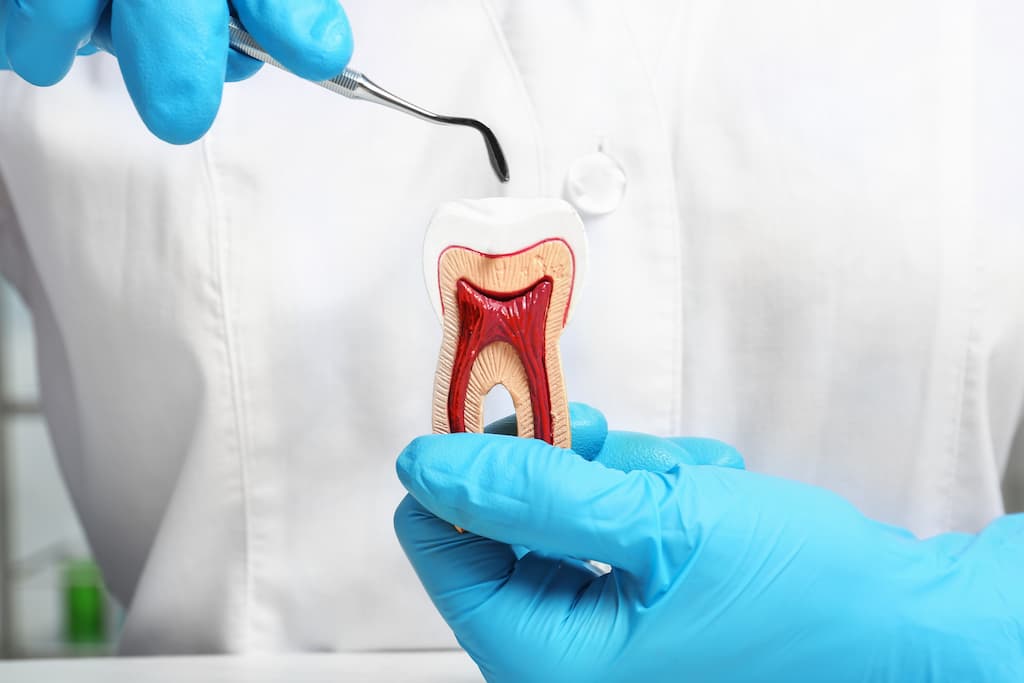
Let’s bring this back to where we started. Real tooth sensitivity treatment isn’t about masking pain with special toothpaste. It’s about identifying the specific cause – whether that’s enamel erosion, gum recession, cracks, grinding, or gum disease – and addressing that cause with targeted intervention. Professional fluoride treatments for enamel strengthening. Bonding for exposed roots. Night guards for grinding. Gum therapy for periodontal issues. The right treatment for your specific diagnosis.
The difference between temporary relief and lasting results comes down to accurate diagnosis. Without knowing what’s causing your sensitivity, you’re guessing at solutions. With proper evaluation using advanced imaging and clinical expertise, we can see exactly what’s compromised, pinpoint why it’s compromised, and prescribe treatment that actually solves the problem rather than just managing symptoms.
Your teeth shouldn’t hurt when you eat, drink, or breathe cold air. You shouldn’t have to avoid entire categories of food and beverage because of dental pain. And you definitely shouldn’t waste money on products and treatments that address the wrong problem. If you’re experiencing tooth sensitivity that’s persisting despite over-the-counter products, if it’s getting worse, if it’s affecting your quality of life, or if you simply want to know what’s actually causing it – we can help.
At Comprehensive Dental Care, we serve patients throughout Henderson and Las Vegas with the diagnostic technology and clinical experience needed to identify and treat the root causes of tooth sensitivity. Our philosophy is simple: your mouth is the gateway to your body. Sensitivity isn’t just an inconvenience – it’s a signal that something needs attention. We find out what, and we fix it correctly.
Schedule your evaluation at our Henderson location by calling (702) 735-2755. We’ll conduct a thorough examination, use our imaging technology to see exactly what’s happening, discuss your specific situation and treatment options, and create a plan that eliminates your sensitivity rather than just dulling it temporarily. Most patients tell us they wish they’d come in sooner instead of suffering for months or years with a problem that could have been resolved.
Stop accepting tooth sensitivity as something you just have to live with. Get it diagnosed. Get it treated correctly. Get back to enjoying your coffee, your ice cream, and your life without constant dental discomfort.
Frequently Asked Questions: Tooth Sensitivity Treatments
What causes tooth sensitivity to keep coming back?
Tooth sensitivity often returns because the underlying issue—such as enamel erosion, gum recession, cracked teeth, or grinding—has not been diagnosed or treated. Most over-the-counter products only mask symptoms rather than resolving the root cause.
How do dentists diagnose the real cause of tooth sensitivity?
A proper diagnosis includes discussing your symptoms, examining your gums and enamel, checking your bite, and using imaging such as digital X-rays or intraoral cameras. This identifies whether erosion, recession, cracks, grinding, or gum disease is responsible.
What professional treatments actually work for tooth sensitivity relief?
Treatment depends on your specific cause and may include fluoride treatments, bonding, gum grafting, night guards, periodontal therapy, or — in severe cases — root canal treatment. Each solution targets the exact source of sensitivity rather than just the symptoms.
Are at-home remedies enough to treat sensitive teeth?
At-home care like desensitizing toothpaste, fluoride rinses, adjusting brushing technique, and reducing acidic foods can help manage symptoms — but they don’t fix enamel loss, gum recession, or cracks. They are most effective when combined with professional treatment.
When should someone seek professional help for tooth sensitivity?
You should see a dentist if sensitivity lasts longer than two weeks, worsens over time, affects a single tooth, disrupts eating or drinking, or is accompanied by spontaneous or nighttime pain — all signs of deeper structural or nerve problems.
Can untreated tooth sensitivity lead to bigger dental problems?
Yes. Delaying treatment allows enamel erosion, gum recession, cracks, or gum disease to worsen. What might have been corrected with simple treatments can eventually require crowns, grafts, or even root canal therapy if ignored.