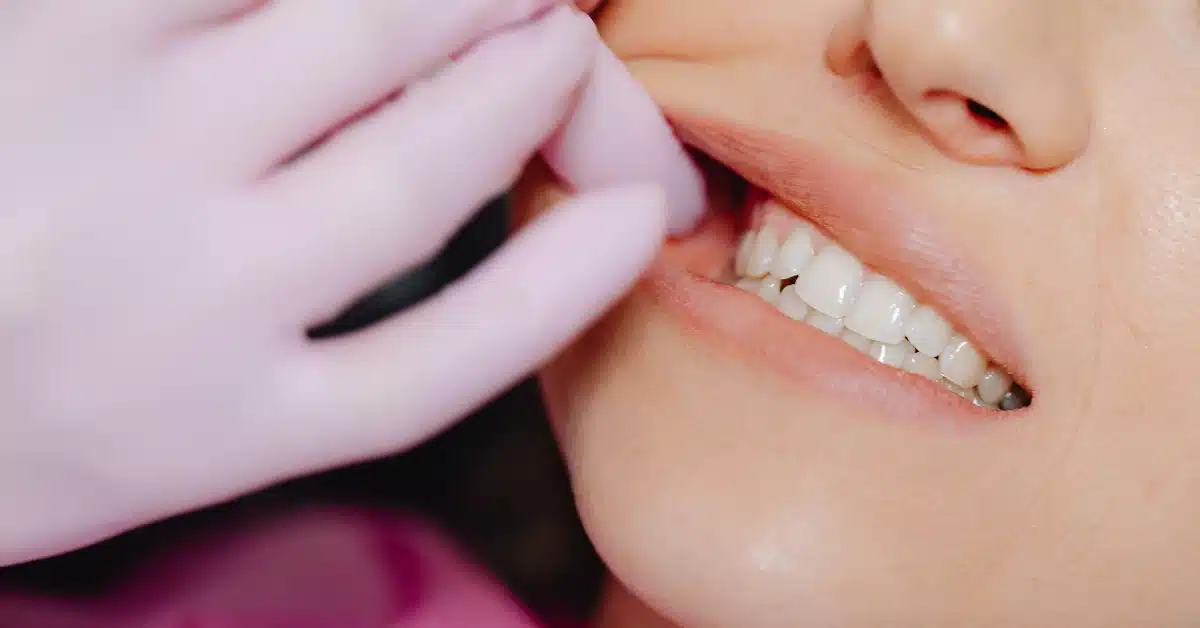
Teeth Grinding (Bruxism): Why Your Jaw Pain Won’t Go Away – And What Actually Works
Three months ago, a patient walked into my Henderson office with a complaint I hear almost daily: “Dr. Hendrickson, I wake up every morning with a headache that won’t quit. My jaw aches. My partner says I sound like I’m chewing rocks in my sleep.” She’d tried everything – stress management apps, yoga, cutting back on caffeine. Nothing worked. When I examined her teeth, I saw the real story: her enamel was wearing down to the dentin layer, her jaw muscles were visibly enlarged, and tiny stress fractures were forming along her molars.
She wasn’t just stressed. She had bruxism – and it was quietly destroying her teeth.
Here’s what frustrates me after 20+ years in dentistry: most people with bruxism don’t realize they have it until significant damage has already occurred. They attribute their symptoms to stress, poor sleep, or aging. Meanwhile, the grinding continues night after night, wearing down tooth structure that can never grow back.
What Is Bruxism? (And Why “Just Stop Grinding” Doesn’t Work)
Bruxism is the medical term for teeth grinding and jaw clenching. According to 2024 research, the global prevalence is approximately 22% – meaning more than one in five adults experience this condition. The NIH recognizes bruxism and TMJ disorders as significant conditions affecting millions of Americans.. It happens in two forms: sleep bruxism (grinding during sleep) and awake bruxism (clenching during the day). Sleep bruxism affects about 21% of adults globally, while awake bruxism affects 23%.
Let me be direct about something: you cannot consciously stop sleep bruxism. It occurs during sleep cycles, often during transitions between sleep stages. Telling someone with sleep bruxism to “stop grinding” is like telling someone to stop dreaming. Your conscious mind isn’t involved.
The forces involved are substantial. During normal chewing, your jaw muscles exert about 70 pounds of force. During bruxism episodes, that force can reach 250 pounds or more. Imagine someone pressing 250 pounds directly onto your teeth for hours each night. That’s what’s happening.
Here’s what I see in my practice:
- Worn tooth surfaces – The chewing surfaces become flat instead of having natural peaks and valleys
- Tooth sensitivity – As enamel wears away, the underlying dentin becomes exposed
- Cracked or chipped teeth – Repeated stress causes fractures that eventually become visible breaks
- Enlarged jaw muscles – The masseter muscles become hypertrophied from overwork
- TMJ problems – The joint connecting your jaw to your skull experiences abnormal stress and wear
Why You’re Grinding: The Real Causes (Not Just Stress)
When patients ask me why they’re grinding their teeth, they usually expect to hear “you’re too stressed.” But after examining thousands of bruxism cases, I’ve learned the answer is rarely that simple.
Sleep-Disordered Breathing: The Major Connection
Recent 2024-2025 research has clarified the relationship between bruxism and sleep-disordered breathing. Studies show that 33-50% of people with obstructive sleep apnea (OSA) also have sleep bruxism. Research published in 2024 found that approximately 50% of adults with OSA have comorbid sleep bruxism.
Many people grind their teeth in response to partial airway obstruction during sleep. When your airway narrows, your body responds by repositioning the jaw forward – and this often triggers grinding or clenching. Some researchers now believe bruxism may play a protective role during breathing-related arousals.
If you snore, wake up gasping, or feel exhausted despite sleeping 7-8 hours, airway issues might be driving your bruxism. I’ve seen cases where addressing sleep apnea through sleep apnea treatment significantly reduced grinding.
Bite Alignment and Dental Issues
Your teeth should fit together in a specific way. When they don’t align properly, your jaw muscles work overtime trying to find a comfortable resting position. This constant muscle activity can trigger grinding.
Common bite problems include missing teeth (remaining teeth shift and the bite becomes unbalanced), poorly fitting dental work (crowns or fillings that are too high), jaw misalignment, and TMJ disorders.
Medications and Genetic Factors
Certain medications list bruxism as a known side effect. Selective serotonin reuptake inhibitors (SSRIs) are particularly associated with teeth grinding as documented in medication side effects databases maintained by the FDA.. A 2024 critical review found that methylphenidate (used for ADHD) can trigger or worsen bruxism in some patients. If your grinding started after beginning a new medication, that connection is worth investigating.
Bruxism tends to run in families. Research shows you’re about 2.5 times more likely to grind your teeth if a first-degree relative does. The genetic component probably involves jaw structure, muscle tone, and nervous system factors.
The Stress Factor (In Perspective)
Stress does play a role – but probably not the way most people think. Psychological stress doesn’t directly cause grinding. Rather, it lowers your threshold for grinding that’s triggered by other factors. It’s like turning up the volume on a radio station that’s already playing.
The Real Damage: What Untreated Bruxism Does
The damage from untreated bruxism follows predictable patterns. Enamel is the hardest substance in the human body – but under constant grinding forces, it wears down at an accelerated rate.
As enamel wears away, the yellowish dentin underneath becomes visible. Teeth look shorter and darker. More concerning, the dentin is softer than enamel – so once grinding reaches the dentin layer, wear accelerates even faster. In severe cases, I’ve seen patients lose 3-4 millimeters of tooth structure – that’s like losing 20-30% of the original tooth height.
Repeated stress creates microfractures in tooth structure. Over time, these cracks grow until a piece of tooth breaks off. In my 20+ years treating bruxism cases, I’ve replaced dozens of fractured teeth with dental implants when the fractures extended too deep for crowns to work.
The pain extends beyond your teeth:
- Morning headaches – Often concentrated at the temples, caused by overworked jaw muscles
- Jaw pain and stiffness – Difficulty opening wide, pain when chewing
- Ear pain – The TMJ sits right in front of your ear
- Neck and shoulder tension – Jaw muscle tension spreads downward
Treatment Approaches That Actually Work
Custom Night Guards: Your First Line of Defense
Let me be clear: a night guard doesn’t stop you from grinding. It protects your teeth while you grind. Think of it like a shock absorber. The grinding force still happens, but instead of your teeth bearing that 250 pounds of pressure directly, the guard distributes it.
Custom-fabricated night guards made from impressions of your teeth fit precisely, stay in place all night, distribute forces evenly, and last for years. Most patients adapt within a week. I check guards every six months during regular dental cleanings.
Important note for sleep apnea patients: 2024 guidelines emphasize that standard occlusal splints can worsen obstructive sleep apnea. If you have both conditions, you need a mandibular advancement device designed specifically for this combination.
Addressing Underlying Sleep Issues
When I suspect sleep-disordered breathing contributes to grinding, I work with sleep medicine specialists. A proper sleep study can identify problems that trigger protective grinding responses.
Treatment options include CPAP therapy for moderate to severe sleep apnea, oral appliances that reposition the jaw forward to maintain airway patency, and positional therapy for cases where breathing problems occur mainly when sleeping on your back.
Bite Correction and Restorative Work
When malocclusion drives grinding, we need to correct the bite. Options include Invisalign or traditional braces to reposition teeth, occlusal adjustment (carefully reshaping tooth surfaces to eliminate high spots), and restorative dentistry to replace worn teeth with crowns or veneers.
In my Henderson and Las Vegas offices, we use digital bite analysis to map exactly how your teeth come together.
Botox for Bruxism: When Does It Make Sense?
Botulinum toxin injections temporarily weaken jaw muscles, reducing grinding force. I use this selectively for severe grinding that damages guards within months, visibly enlarged jaw muscles, or patients who can’t tolerate night guards.
The effects last 3-4 months, then injections need repeating. It’s not a permanent solution – it reduces symptoms but doesn’t fix underlying problems like airway issues or bite problems.
What to Expect: The Treatment Timeline
Immediate protection (1-2 weeks) – Once you start wearing a custom night guard, tooth damage stops immediately. You might still wake with some jaw soreness as you adjust, but your teeth are protected.
Symptom reduction (4-8 weeks) – As your jaw muscles adapt to the guard, morning headaches typically decrease. This assumes you’re wearing the guard consistently every night.
Long-term improvement (3-6 months) – If we’re addressing underlying causes like sleep apnea or bite problems, significant improvement usually takes several months.
Ongoing maintenance – Bruxism is often a chronic condition requiring long-term management. Most patients continue using guards indefinitely. We replace worn guards every 2-5 years depending on grinding severity.
When to Seek Professional Help
You don’t need to wait until teeth are visibly damaged. Here are signs it’s time to see a dentist:
- Morning jaw pain or stiffness
- Frequent headaches, especially at the temples
- Your partner reports grinding sounds
- Tooth sensitivity that’s getting worse
- Visible tooth wear – flat edges on front teeth or flattened chewing surfaces
- Chipped or cracked teeth
- Difficulty opening your mouth wide
- Changes in how your teeth fit together
Early intervention prevents damage. A night guard fabricated before significant wear occurs protects teeth that are still structurally sound. Waiting means more expensive restorative work down the line.
What We Do at Comprehensive Dental Care
When you come to our Henderson or Las Vegas offices for bruxism evaluation, we examine your jaw muscles, TMJ function, bite relationships, airway anatomy, and wear patterns. We photograph your teeth and may take digital impressions to track progression over time.
If I suspect sleep apnea contributes, I refer you to sleep medicine specialists for proper evaluation. Your treatment plan might include a night guard, bite adjustment, restorative work, or referrals for sleep studies. We prioritize based on what’s causing the most immediate damage and what will provide the most relief.
The Bottom Line
Teeth grinding is not something you can willpower away. It’s a medical condition with identifiable causes and effective treatments. The damage from untreated bruxism is real and progressive. Enamel doesn’t grow back. Cracked teeth don’t heal themselves.
But with proper diagnosis and treatment, most patients see significant improvement. Your jaw pain decreases. Your headaches reduce. Your teeth stop wearing down. You sleep better.
If you’re waking up with jaw pain, if your partner mentions grinding sounds, if your teeth are showing wear – don’t wait. The evaluation takes one appointment. The treatment might be as simple as a custom night guard. Or we might uncover sleep apnea that’s affecting more than just your teeth.
At Comprehensive Dental Care in Henderson, we’ve treated hundreds of bruxism cases. We understand the condition, have the technology to diagnose it properly, and offer the full range of treatments – from simple guards to complex bite rehabilitation.
Call our office to schedule a bruxism evaluation. Let’s figure out what’s driving your grinding and create a plan to protect your teeth and eliminate your symptoms. You don’t have to keep waking up in pain.
Can children grind their teeth, and should I be worried?
Yes, teeth grinding is common in children, affecting 15-33% of kids. Most children grind during sleep and outgrow it by adolescence without intervention. However, see a pediatric dentist if grinding is severe, causes tooth damage, affects sleep quality, or accompanies other symptoms like snoring or mouth breathing. Childhood grinding sometimes indicates airway issues requiring treatment. Most cases don’t need night guards – kids’ jaws are still developing and guards can interfere with growth.
Will a night guard from the drugstore work just as well as a custom one?
Over-the-counter guards don’t fit precisely, often fall out during sleep, can create bite problems if they’re uneven, and wear out quickly under grinding forces. Custom guards made from dental impressions fit exactly to your teeth, stay secure all night, distribute forces properly, and last years instead of months. The investment difference is typically $50-100 versus $400-600, but the custom guard actually protects your teeth while drugstore versions mainly provide false security.
Can bruxism cause my teeth to become loose?
Yes, severe chronic bruxism can cause teeth to loosen over time. The excessive grinding forces damage the periodontal ligament that holds teeth in place and can cause bone loss around tooth roots. This is why untreated bruxism is serious – it doesn’t just wear down enamel, it can compromise the entire tooth support structure. If you notice any tooth mobility, see your dentist immediately. Early intervention with a night guard prevents this progression.
Does reducing stress actually help with teeth grinding?
Stress reduction helps somewhat but rarely eliminates grinding completely. Stress management, meditation, and relaxation techniques can reduce the frequency or intensity of grinding episodes, especially for awake bruxism where you consciously clench during the day. However, sleep bruxism often has physical triggers like airway issues or bite problems that stress management can’t fix. Think of stress reduction as helpful but not sufficient – you still need proper diagnosis and treatment.
Can grinding cause permanent damage to my jaw joint (TMJ)?
Yes, chronic bruxism can cause lasting TMJ damage including disc displacement, cartilage breakdown, arthritis in the joint, and chronic inflammation. The TMJ isn’t designed to handle the excessive forces bruxism creates night after night. Some TMJ damage is irreversible, which is why early intervention matters. If you already have TMJ symptoms like clicking, popping, or limited jaw opening, tell your dentist – you may need specialized treatment beyond a standard night guard.