Sleep Apnea Oral Appliance in Henderson: A CPAP Alternative You Didn’t Know Your Dentist Could Provide
Three months ago, a patient walked into my Henderson office carrying a CPAP machine in a grocery bag. He set it on the counter and said, “I can’t do this anymore. I’ve tried for two years, and I just can’t sleep with this thing on my face.” He looked exhausted – dark circles under his eyes, moving slowly like every step required effort.
What surprised him most wasn’t that I could help with his sleep apnea. It was that he’d been suffering with that CPAP machine for two years without anyone mentioning that his dentist might have a solution.
I see this scenario constantly in my Henderson practice. Patients with diagnosed sleep apnea who either can’t tolerate CPAP or have given up trying. They’re exhausted, their partners are frustrated, and they assume CPAP is their only option. They have no idea that a custom oral appliance can treat mild to moderate sleep apnea effectively without masks, hoses, or machines.
Why Your Dentist Can Help With Sleep Apnea
Most patients are genuinely shocked when I tell them I treat sleep apnea. But the connection is direct and obvious once you understand what’s actually happening when you stop breathing at night.
Obstructive sleep apnea happens when the soft tissues in your throat collapse and block your airway while you sleep. Your tongue falls back, the soft palate relaxes, the tissues in your throat narrow the space where air should flow freely. These are all structures in your mouth and throat – exactly where dentists work every single day.
I can see signs of sleep apnea during a routine dental exam that other healthcare providers might miss. A narrow upper arch. A tongue with scalloped edges from pressing against your teeth during breathing struggles. Worn teeth from grinding. These visual clues tell me there’s an airway problem even before we discuss your symptoms.
Beyond diagnosis, dentists are experts at creating custom oral devices. We take precise impressions, understand bite relationships, and know how to gradually adjust appliances to achieve specific therapeutic positions. That expertise translates directly to fabricating and fine-tuning oral appliances that hold your jaw forward just enough to keep your airway open while you sleep.
What Is a Sleep Apnea Oral Appliance?
A sleep apnea oral appliance – technically called a mandibular advancement device – is a custom-fitted device that you wear in your mouth while you sleep. It looks somewhat like a sports mouthguard, but it’s designed to hold your lower jaw slightly forward to keep your airway open.
The device covers your upper and lower teeth and connects them in a way that prevents your jaw from falling back during sleep. When your jaw is held in this forward position, it physically pulls your tongue and the soft tissues in your throat forward as well. This creates more space in your airway and prevents the collapse that causes breathing interruptions.
These aren’t one-size-fits-all devices you buy online. I create each appliance specifically for your mouth using detailed impressions and measurements. The fit is precise – it needs to stay in place all night without causing discomfort.
The most effective appliances are adjustable. This means we can gradually advance your jaw position over several appointments until we find the optimal setting that eliminates your apnea episodes without causing TMJ problems or excessive jaw soreness. We determine this through careful titration based on your symptoms and follow-up sleep studies.
How Oral Appliances Compare to CPAP
Let me be completely honest about effectiveness. CPAP is more effective at reducing your apnea-hypopnea index – the number that measures how many times per hour you stop breathing. If you have severe sleep apnea with an AHI over 30, CPAP will likely lower that number more than an oral appliance will.
But here’s what the research shows: compliance matters more than raw effectiveness. A treatment that you actually use every night will always work better than a more effective treatment sitting in your closet.
Multiple studies have found that oral appliances and CPAP produce similar health outcomes – improvements in blood pressure, daytime sleepiness, quality of life, and cardiovascular risk – even though CPAP reduces the AHI more. Why? Because patients wear oral appliances consistently.
I’ve had patients whose CPAP reduced their AHI from 25 to 3 – excellent results on paper. But they only used it two or three nights per week before giving up entirely. Then they switched to an oral appliance that reduced their AHI from 25 to 8. Still some residual apnea, but they wear it every single night. The consistent nightly treatment produced better overall health outcomes.
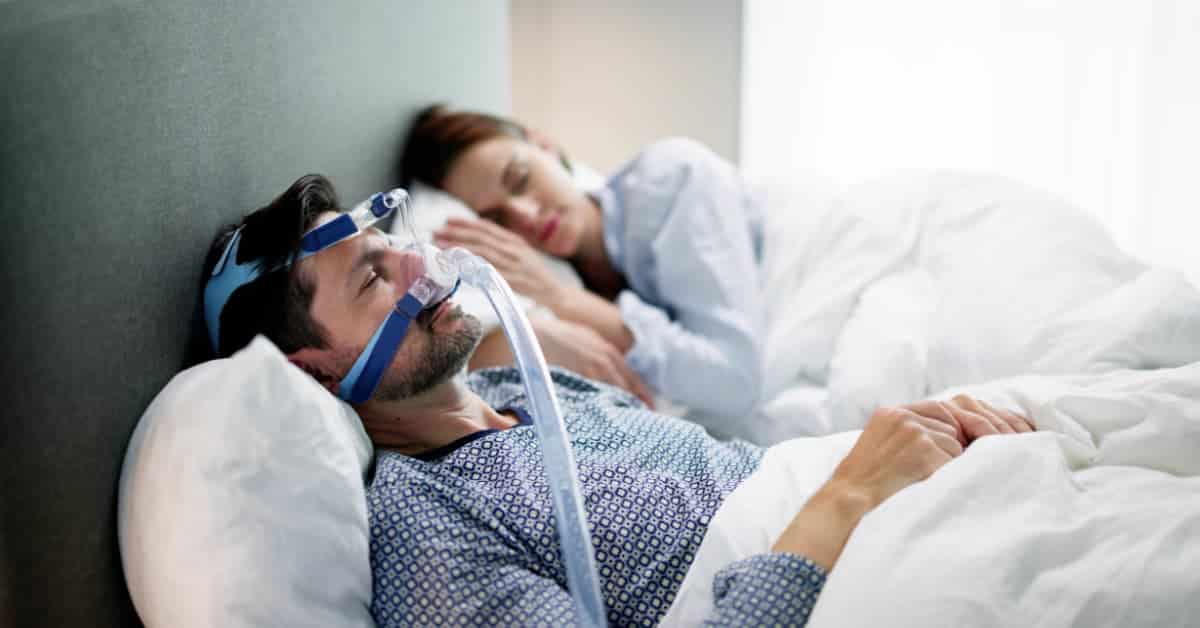
CPAP works by creating positive air pressure that acts like a splint, keeping your airway open mechanically. But the mask causes claustrophobia for many people. The forced air creates dry mouth and nasal congestion. The noise disturbs sleep. The hoses make it difficult to change positions. These aren’t minor inconveniences – they’re deal-breakers that cause patients to abandon treatment entirely.
Oral appliances work differently. They mechanically reposition your jaw to prevent airway collapse. They’re silent. There’s no electricity required, no mask covering your face, no hoses to tangle in. You can sleep in any position. You can travel with the device in a small case that fits in your pocket.
Who Benefits Most from Oral Appliance Therapy
Not everyone is a good candidate. Understanding who benefits most helps you know whether this treatment makes sense for your situation.
CPAP-intolerant patients. You’ve been diagnosed with sleep apnea, you’ve tried CPAP, and you simply cannot tolerate it consistently. An oral appliance gives you a treatment option you’ll actually use.
Patients with mild to moderate sleep apnea. If your AHI is between 5 and 30, oral appliances work particularly well. Research shows comparable outcomes to CPAP for this severity level.
Patients who travel frequently. An oral appliance travels in a case the size of a glasses case. No power needed, no TSA questions, no hassle.
Patients with claustrophobia or anxiety. If wearing a mask over your face triggers panic, CPAP becomes psychologically impossible. Oral appliances don’t cover your face or restrict your breathing.
You’re probably not a good candidate if you have severe sleep apnea with an AHI over 30, especially if it’s associated with significant oxygen desaturation. You also need sufficient teeth and healthy gums to support the appliance.
The Treatment Process
Getting fitted for an oral appliance involves several appointments over a few weeks:
Your first visit is an evaluation. I’ll review your sleep study results – you need a diagnosis of obstructive sleep apnea from a sleep physician before I can fabricate an appliance. I’ll examine your mouth, teeth, gums, and jaw, checking your bite relationship and assessing whether you have enough teeth in good condition to support the device.
If you’re a good candidate, we move to the impression appointment. I take detailed impressions of your upper and lower teeth and a bite registration that captures the relationship between your jaws. These go to a dental laboratory that specializes in fabricating sleep appliances.
The fabrication takes about two weeks. When the appliance comes back, you return for a fitting appointment. I’ll place it in your mouth, check the fit, make any necessary adjustments, and teach you how to insert, remove, and care for the device.
Initially, I set the appliance at a conservative position. You’ll wear it for a week or two and return for the first titration appointment. Based on your symptoms and any residual snoring, I’ll gradually advance the jaw position. This process continues over several appointments.
We’re looking for the sweet spot where your apnea resolves but you’re not experiencing jaw pain. Most patients reach their therapeutic position within three to six weeks.
Once you’re at your therapeutic position, I’ll coordinate with your sleep physician for a follow-up sleep study while wearing the appliance. This confirms that the treatment is working.
Life With an Oral Appliance
You’ll insert the appliance right before bed. It takes about 10 seconds. When you wake up, you remove it and store it in its case. The whole bedtime routine adds maybe 30 seconds to your normal pattern.
The first week feels strange. Your jaw will be sore in the morning – mild discomfort rather than pain. This initial soreness typically resolves within a week or two. You might produce more saliva initially as your mouth adjusts. This is temporary.
After the adjustment period, most patients tell me they don’t notice they’re wearing it. You’ll sleep through the night without the appliance coming out. Your partner will likely notice the difference before you do – the snoring stops or decreases dramatically.
Within a few weeks, you’ll notice you’re waking up more refreshed. The daytime sleepiness improves. You have more energy. These are the signs that you’re finally getting restorative sleep.
Travel becomes simple. The appliance goes in a small case in your toiletry bag. No machine, no power concerns. You can camp, stay in remote locations, sleep on planes.
Maintenance is straightforward. Each morning, brush the appliance with a soft toothbrush and mild soap. Let it air dry. Once a week, soak it in a denture cleaning solution. Most appliances last several years with proper care.
Insurance Coverage and Cost
Oral appliances for sleep apnea are typically covered by medical insurance, not dental insurance. Sleep apnea is a medical condition, so even though your dentist fabricates the appliance, your medical insurance usually covers the treatment.
Most medical insurance plans cover oral appliance therapy when it’s deemed medically necessary – which means you need a diagnosis of obstructive sleep apnea from a sleep physician. Coverage typically ranges from 50-80% after your deductible.
The total cost for the appliance and all appointments usually runs between $2,000-$3,000. With insurance, your out-of-pocket cost might be $400-$1,000 depending on your plan.
Our office handles the medical insurance billing. We’ll verify your benefits before starting treatment so you know your expected costs upfront.
Common Questions About Oral Appliances
How long does it take to adjust to wearing the appliance?
Most patients adapt within one to two weeks. The first few nights feel strange, but by two weeks, most people don’t think about it anymore.
Will this change my bite permanently?
There can be minor, temporary bite changes in the morning after removing the appliance. This resolves quickly within 10-15 minutes. Long-term changes are generally minor and don’t affect function.
What if I already tried an oral appliance and it didn’t work?
The quality and type of appliance matters enormously. Over-the-counter devices are completely different from custom-fabricated devices. Proper fitting and adjustment through multiple titration appointments are critical.
Can I still use my CPAP machine sometimes?
Absolutely. Some patients use CPAP at home and an oral appliance when traveling. The goal is effective management of your sleep apnea.
Why Treatment Matters
Untreated sleep apnea is slowly damaging your health. Every time you stop breathing, your oxygen levels drop. Your brain briefly wakes you. This happens dozens or hundreds of times per night.
Over months and years, this nightly stress contributes to hypertension, increased risk of heart attack and stroke, irregular heart rhythms, and worsening of existing heart conditions. The daytime consequences include difficulty concentrating, memory problems, mood changes, and increased risk of accidents.
The patient I mentioned at the beginning – the one who brought his CPAP in a grocery bag – got fitted for an oral appliance three years ago. He wears it every single night. His follow-up sleep study showed his AHI dropped from 23 to 7. His blood pressure improved. His wife says he’s a different person – more patient, more energetic, more present.
That’s what effective treatment looks like. Not a machine you tolerate for a few weeks before giving up, but actual sustained management of a serious health condition using a treatment that fits into your life.
Take the Next Step at Comprehensive Dental Care
If you’ve been diagnosed with sleep apnea and you’re struggling with CPAP, or if you’ve been avoiding diagnosis because you don’t want to deal with CPAP treatment, schedule a consultation at our Henderson office. I’ll review your sleep study results, evaluate your oral anatomy, and determine whether you’re a good candidate for oral appliance therapy.
We work with all major medical insurance plans and will verify your benefits before starting treatment. We coordinate directly with your sleep physician to ensure your treatment is properly monitored and effective.
Call our Henderson office at (702) 735-2755 to schedule your sleep apnea consultation. Bring your sleep study results if you have them, or we can request them from your sleep physician with your permission.
You don’t have to choose between suffering with untreated sleep apnea and fighting with a CPAP machine you hate. There’s another option, and it might be exactly what you need to finally get the restorative sleep your body requires.