
Dental Veneers in Henderson, NV
Veneers can change the visible shape, shade, and proportion of selected teeth. A convincing result starts with the bite, gum line, and amount of healthy enamel available for bonding.

What Are Dental Veneers?
A veneer is a thin restoration bonded to the front and edge of a tooth. Porcelain veneers are made outside the mouth and bonded at a later visit. Composite veneers may be shaped directly on the tooth or fabricated indirectly, depending on the case.
Veneers are most useful when the visible tooth structure is healthy enough to support bonding and the planned change is mainly cosmetic. They are not a cover for active decay, gum disease, or a bite problem that will keep stressing the restorations.
If the change involves the entire smile, the consultation may also compare whitening, dental bonding, orthodontics, crowns, and the broader options in the smile makeover guide.
What Veneers Can and Cannot Correct
Visible shape and shade concerns
- Small chips or worn incisal edges
- Uneven tooth length or proportion
- Persistent discoloration that does not respond well to whitening
- Selected spaces or minor shape-related asymmetry
Structural or position problems
- Active decay or untreated gum disease
- Very large fillings or teeth that need full crown coverage
- Major crowding or tooth movement better handled with orthodontics
- Severe grinding or a bite that will overload thin restorations
Porcelain Veneers vs Composite Veneers
Porcelain veneers
- Appearance
- Layered translucency and surface texture can be built into the ceramic.
- Color stability
- Porcelain generally resists staining better than composite.
- Repair
- A fracture may require a new laboratory restoration.
- Visits and fee
- Usually more visits and a higher initial cost.
Composite veneers
- Appearance
- Composite is shaped and polished to change color or contour.
- Color stability
- The surface may stain or lose polish sooner.
- Repair
- Material can often be added or repaired more directly.
- Visits and fee
- Selected cases may take fewer visits and cost less initially.
Material is one part of the choice. Tooth position, enamel, bite, the size of the proposed change, and how much maintenance you accept also matter.
If a tooth also needs structural coverage, compare the cost and treatment differences between a crown and veneer.
The Veneer Planning and Placement Process
Examine
Check enamel, decay, gums, bite, grinding, and the amount of change requested.
Design
Use photographs, records, shade selection, and a proposed tooth shape to plan the result.
Prepare and preview
Make the planned tooth preparation and use provisionals or a mock-up when appropriate.
Bond and check
Verify fit, shade, contacts, and bite before the restorations are finished.
Bring a reference, but expect a design conversation
Photographs can show what you like about another smile, but copying a shade or tooth shape without considering your face and bite usually creates an artificial result. The useful discussion is specific: edge length, tooth width, translucency, surface texture, and how much tooth shows when your lips are relaxed.
How to Evaluate Veneer Photos
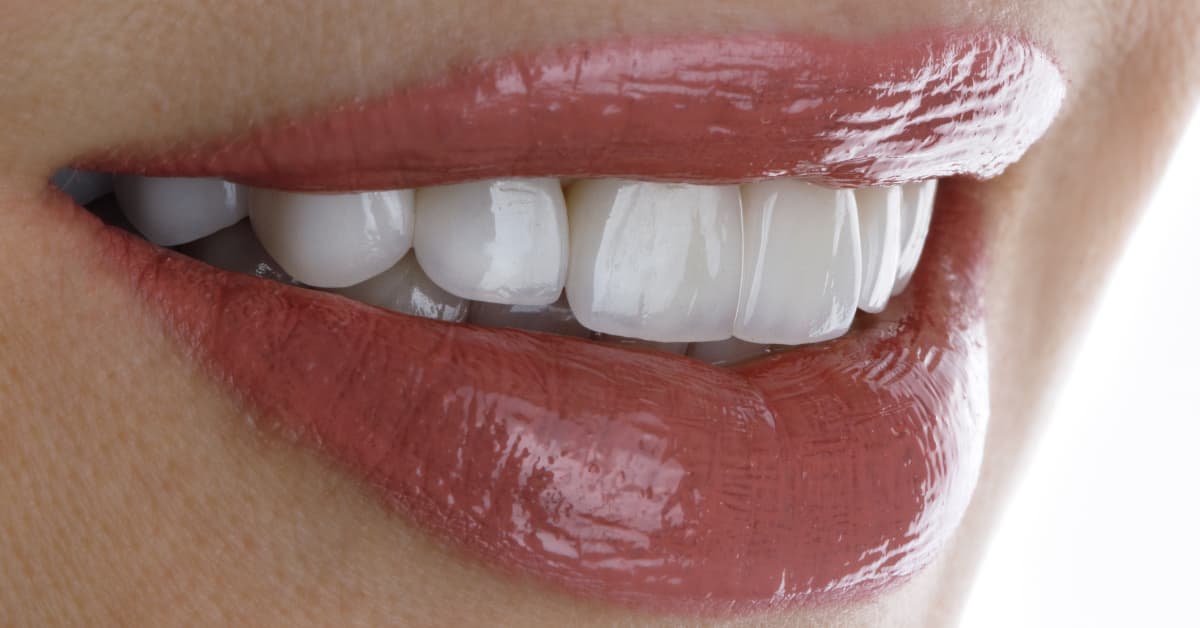
Questions worth asking
- How many teeth were treated?
- Did the patient also have whitening, bonding, gum treatment, or orthodontics?
- Were the photos taken in similar light and from the same angle?
- How much enamel was removed?
- How will the bite be protected?
Use the veneers before-and-after guide to review common photo and treatment-plan differences before a consultation.
How Much Do Veneers Cost in Henderson?
The tooth count is only one part of the estimate
Material, laboratory work, preparation, gum treatment, provisional restorations, and a protective night guard can change the fee. Insurance coverage is usually limited when the reason for treatment is cosmetic.
The veneer cost guide explains the main variables. The office can provide a written plan and review patient financing options.
Ask what the estimate includes
- Diagnostic records and smile design
- Temporary or provisional restorations
- Laboratory and material fees
- Final bonding and bite adjustment
- Night guard and follow-up care
Start With the Smallest Useful Change
Some smiles improve with whitening, limited bonding, reshaping, or orthodontics instead of veneers on every visible tooth. A conservative plan preserves more enamel and keeps future repair choices open.
A tooth with a large filling, crack, or major loss of structure may need a dental crown rather than a veneer. The consultation should explain why each proposed tooth is included.
Veneer Care at Comprehensive Dental Care
Maintenance begins at the veneer edge
Brush and floss around the margins, keep regular exams, and avoid using the front teeth to open or bite hard objects. If you grind, a prescribed night guard may reduce the stress on the veneers and supporting teeth.


Veneer Planning With Dr. Gregg C. Hendrickson
Dr. Hendrickson reviews the proposed tooth shape together with the enamel, gums, and bite. That keeps the cosmetic goal connected to a restoration that can be cleaned, maintained, and repaired when necessary.
Bring photographs of your own smile and examples of details you like. The consultation can separate a workable design preference from a change that would require too much tooth reduction.
Meet Dr. Gregg HendricksonWhat Patients Say About Dr. Hendrickson and the Practice
These are practice reviews, not veneer before-and-after evidence. They speak to the dentist, staff, communication, and care patients received.
“From cleaning to extensive reconstruction, every one on staff is highly professional and a pleasure to work with.”
“Everyone was great and so nice. Love Drs Gregg and Lei and all the hygienists.”
See What Veneers Would Change in Your Smile
Compare porcelain, composite, bonding, whitening, orthodontics, and crowns where relevant. You should leave with a tooth-by-tooth explanation and a written plan.
Frequently Asked Questions About Veneers
Longevity, preparation, and cost vary with the teeth, material, and bite. These answers explain the main planning issues.
How long do veneers last?
Veneers do not have a fixed expiration date. Porcelain often serves for many years, but decay, gum recession, heavy clenching, or an accident can require earlier repair or replacement. Keep the edges clean, attend exams, and wear a night guard if the dentist prescribes one.
Are veneers permanent?
For practical purposes, porcelain veneers are a long-term commitment. Treatment usually removes some enamel, so the tooth will continue to need a veneer or another restoration later. Ask how much preparation is planned for each tooth before agreeing to treatment.
Will veneers look natural?
They can. A natural result depends on width, edge shape, translucency, surface texture, gum line, and the untreated teeth around the veneers. Photographs and a preview give you specific details to discuss before the laboratory completes the porcelain.
How much do veneers cost?
The dentist needs to examine the teeth before preparing an estimate. Material, tooth count, laboratory work, preparation, gum treatment, and a protective night guard can all affect the fee. Financing may be available. Insurance coverage is usually limited when treatment is cosmetic.
Do veneers damage your teeth?
Veneer preparation removes tooth structure, so it needs careful planning. Excessive reduction can weaken the tooth, while a bulky no-prep veneer can crowd the gum line. The dentist should explain the proposed reduction and compare bonding or orthodontic alternatives first.
Can I get veneers if I grind my teeth?
Possibly. Grinding increases the chance of chips, wear, or a veneer coming loose. The dentist needs to examine the bite and the severity of the grinding. A different restoration, bite treatment, or a night guard may be part of the plan.
