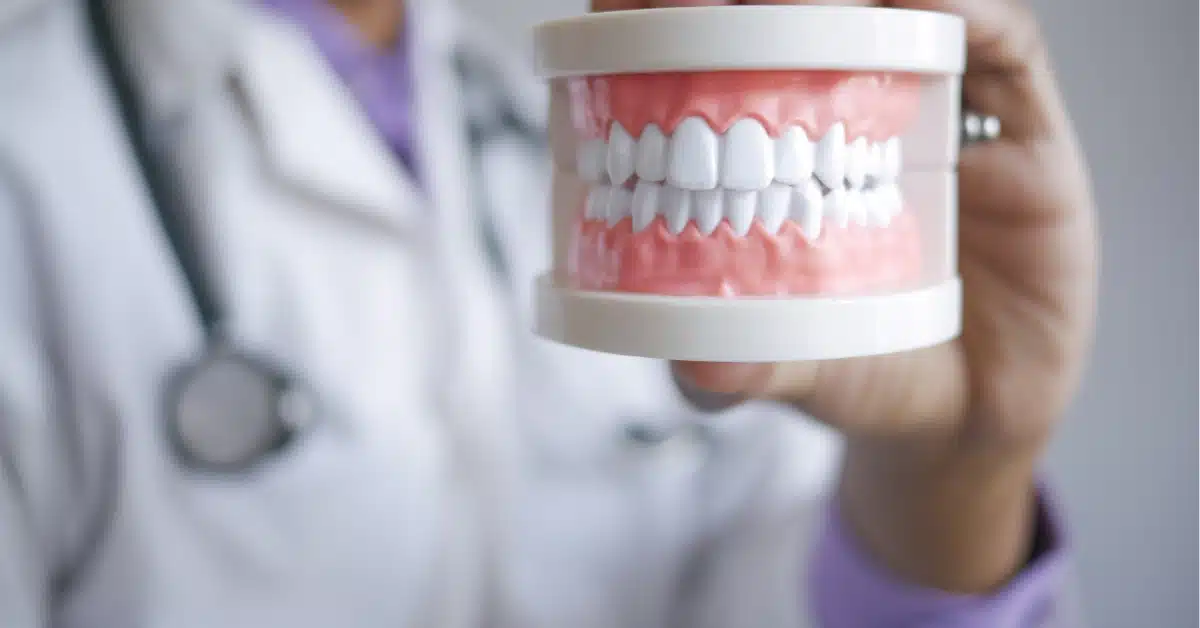
Dental professional holding denture model showing how modern dentures have come a long way with advanced technology and natural appearance

Types of Dentures: Exploring Modern Tooth Replacement

Types of dentures include traditional full dentures, partial dentures, implant-supported dentures, snap-in dentures, and immediate dentures. Each type offers distinct benefits in comfort, stability, and aesthetics, with modern materials like acrylic resin, flexible nylon, and porcelain providing more natural-looking and durable solutions than previous generations.

Losing teeth affects more than just your smile—it impacts your ability to eat, speak clearly, and feel confident in social situations. At Comprehensive Dental Implant Center in Henderson, Dr. Hendrickson helps patients explore the various types of dentures available today to restore both function and appearance. This guide walks you through modern denture options and the significant improvements that make them more comfortable and natural-looking than ever before.

Understanding Different Types of Dentures

The denture landscape has expanded significantly beyond the traditional removable plates many people picture. Today’s options range from complete dentures that replace an entire arch of teeth to partial dentures that fill gaps while preserving natural teeth.

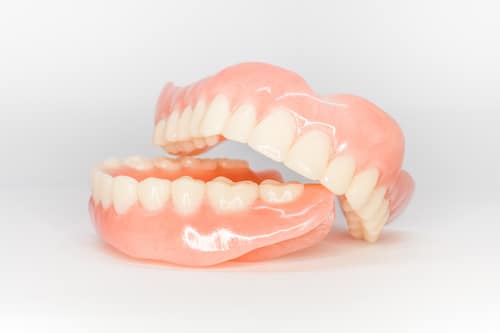
Full dentures serve patients who have lost all teeth in one or both jaws. According to the American Dental Association, these prosthetics rest on your gums and rely on natural suction or dental adhesive for stability. The pink acrylic base mimics gum tissue, while the teeth are crafted to match your natural tooth color and shape.

Partial dentures work for people who still have some natural teeth remaining. These attach to existing teeth using metal clasps or precision attachments, preventing your remaining teeth from shifting position over time. Many patients find partials more affordable than bridges or dental implants while still providing functional restoration.

Immediate dentures offer a solution for patients who need teeth removed but want to avoid going without teeth during the healing period. Your dentist creates these based on impressions taken before tooth extraction, allowing you to wear them the same day your natural teeth are removed. While convenient, they typically require adjustments as your gums heal and reshape over several months.

Types of Dentures: Quick Comparison Guide

This comparison helps you understand the key differences between denture types at a glance:

Denture Type Stability Removable Bone Preservation Adjustment Period Best For
Traditional Full Moderate Yes No 2-4 weeks All teeth missing in one or both arches
Partial Moderate Yes No 2-3 weeks Some natural teeth remaining
Snap-In (Overdenture) High Yes Yes 1-2 weeks Patients wanting stability with easy removal
Fixed/Permanent Highest No (professional only) Yes Minimal Patients seeking maximum stability

Advanced Materials in Modern Denture Construction

The materials used in denture fabrication have transformed dramatically from the uncomfortable substances of the past. Today’s dentures rely primarily on high-quality acrylic resins and specialized polymers that conform better to the natural contours of your mouth.

Acrylic resin serves as the foundation for most modern dentures. This durable plastic material can be tinted to closely match your natural gum color, creating a seamless appearance. The material bonds chemically with denture teeth for added stability and can be easily adjusted if modifications are needed. Research in dental materials science indicates acrylic dentures typically function well for 5-8 years with proper care before requiring replacement.

Flexible dentures use thermoplastic nylon materials that adapt to the shape of your mouth with slight elasticity. These feel more comfortable for many patients, particularly those with sensitive gums, because the material doesn’t create the rigid pressure points that traditional acrylic can cause. The flexibility also means these dentures rarely break during normal use.

Porcelain teeth offer exceptional durability and a glass-like translucency that closely mimics natural tooth enamel. While more brittle than acrylic teeth, they resist wear and staining significantly better. Some patients prefer the feel of porcelain because of its similarity to natural teeth.

How Natural-Looking Dentures Enhance Your Smile

Modern denture aesthetics have evolved to the point where many people can’t distinguish between natural teeth and well-crafted dentures. This improvement stems from advances in both materials and design techniques.

Custom shading allows dental technicians to match not just the color of your teeth, but also the subtle variations in translucency and tone that make natural teeth unique. Premium dentures feature multi-layered teeth with varying densities and colors that replicate the appearance of tooth enamel and dentin beneath it.

The gum-colored base now includes options for different tissue tones, accounting for natural variations in gum color among different individuals. Some dentures even incorporate small imperfections like slight irregularities in tooth alignment or minor color variations that make them look more authentic.

Digital design technology has revolutionized how dentures are crafted. Computer-aided design and manufacturing systems allow for precise customization of tooth shape, size, and positioning. Your dentist can now show you a digital preview of how your dentures will look before they’re even fabricated, allowing for adjustments to achieve your ideal smile.

Improved Fit and Stability in Today’s Dentures

One of the most significant improvements in modern dentures addresses the common complaint about slipping and movement. Several innovations now provide patients with more secure and stable options.

Precision impressions using digital scanning technology create highly accurate models of your mouth. Unlike traditional impression materials that could distort slightly, digital scans capture exact measurements of your gum contours, ensuring a snug initial fit that minimizes the adjustment period.

Suction-fit dentures incorporate design features that maximize the natural suction between the denture base and your gums. For upper dentures, this includes covering the palate to create a seal, while lower dentures use a horseshoe shape that works with your tongue position to maintain stability.

Better base materials that conform to your mouth’s unique shape reduce the pressure points that cause discomfort. The improved fit means you can speak more clearly and eat with greater confidence, without worrying about your dentures shifting at awkward moments.

Implant-Supported Options for Permanent Solutions

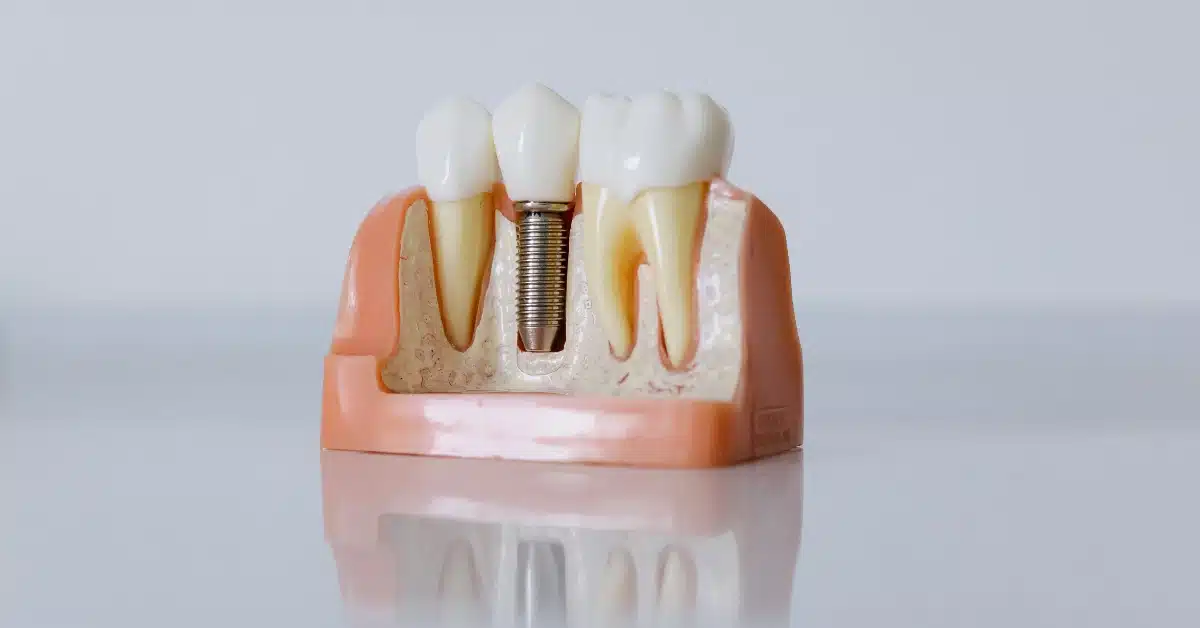
For patients seeking maximum stability, implant-supported dentures represent a transformative option. These prosthetics attach to dental implants—small titanium posts surgically placed in your jawbone—providing the security and functionality similar to natural teeth.

Snap-in dentures, also called overdentures, connect to 2-4 dental implants using special attachments. You can remove them for cleaning, but they stay firmly in place during eating and speaking. Research from the International Congress of Oral Implantologists indicates patients report significantly higher satisfaction with implant-supported dentures compared to traditional removable options.

Fixed dentures, known as full arch restorations, are permanently attached to 4-6 implants. Dr. Hendrickson specializes in these procedures, which eliminate any movement and allow you to treat your replacement teeth just like natural ones. This option prevents the bone loss that typically occurs with traditional dentures because the implants stimulate the jawbone just as natural tooth roots do.

The implant-supported dentures we provide at our Henderson practice offer superior chewing efficiency, allowing patients to enjoy a wider variety of foods without restrictions. They also help preserve facial structure by maintaining jawbone density, contributing to a more youthful appearance over time.

Digital Technology and 3D-Printed Dentures

The integration of digital technology into denture fabrication has dramatically reduced production time while improving precision. These innovations represent some of the newest developments in modern dentistry.

3D-printed dentures use computer-aided design to create prosthetics layer by layer with remarkable accuracy. The technology allows for same-day dentures in some cases, significantly reducing the number of appointments needed. Each denture is built to exact specifications, ensuring a precise fit that typically requires minimal adjustments.

Digital systems enable dental teams to design your dentures digitally and fabricate them from high-quality materials. This process reduces human error and creates dentures with consistent quality. According to research published by dental materials scientists, digitally fabricated dentures show improved dimensional accuracy compared to traditionally manufactured ones. The digital files can be stored, making it simple to create replacement dentures in the future without starting from scratch.

Understanding Your Investment in Dentures

Important: The information below provides general guidance about factors affecting denture investment. Actual treatment plans and associated investments vary significantly based on individual circumstances, materials selected, and complexity of your case. Dr. Hendrickson provides detailed, personalized information during your consultation after evaluating your specific needs.

When considering dentures, understanding the factors that influence investment helps you make informed decisions about your oral health. Several elements affect the overall investment in denture treatment:

Type of Denture

Traditional removable dentures typically require less initial investment than implant-supported options. However, implant-supported varieties often provide better long-term value through durability and reduced need for adjustments or replacements.

Materials Selected

Acrylic resin dentures are generally more economical than porcelain or flexible nylon options. Premium materials may involve higher initial investment but can offer enhanced aesthetics, comfort, and longevity.

Customization Level

Standard dentures involve less customization, while premium options include detailed shade matching, custom tooth positioning, and multiple fittings for optimal aesthetics and comfort.

Additional Procedures

Some patients may benefit from preparatory treatments such as bone grafting, extractions, or gum treatments before denture placement, which factor into the overall treatment plan.

Long-Term Considerations

Consider maintenance needs, adjustment visits, relining procedures, and eventual replacement when evaluating different denture options. Implant-supported dentures may have higher initial investment but often eliminate ongoing expenses for adhesives and frequent adjustments.

Insurance Coverage

Many dental insurance plans provide coverage for dentures, though coverage levels vary. Our team works with you to understand your benefits and explore payment options that fit your budget.

During your consultation, Dr. Hendrickson provides a detailed treatment plan with clear information about all associated investments, allowing you to make confident decisions about your dental care.

What to Expect: Your Denture Journey Timeline

Understanding the denture process helps set realistic expectations and reduces anxiety about treatment. Here’s what most patients can expect:

1

Initial Consultation & Evaluation

Dr. Hendrickson examines your oral health, discusses your goals, takes diagnostic images, and recommends the most suitable denture options for your situation. This visit typically takes 45-60 minutes.

2

Impressions & Measurements

Using digital scanning or traditional impression methods, we create precise models of your mouth. For implant-supported options, this stage may include surgical planning.

3

Custom Fabrication

Your dentures are crafted by skilled technicians using your unique specifications. Traditional methods take 2-3 weeks, while digital fabrication can be completed in days. For implant cases, healing time between implant placement and final denture attachment typically ranges from 3-6 months.

4

First Fitting & Adjustments

You’ll try your new dentures, and we’ll make any necessary adjustments for comfort and function. Multiple adjustment visits in the first few weeks are normal and expected as your mouth adapts.

5

Adaptation Period

Most patients adapt to traditional dentures within 2-4 weeks, while implant-supported options typically require 1-2 weeks. You may experience mild soreness, increased salivation, or slight speech changes initially—these are normal and temporary.

6

Ongoing Care & Maintenance

Regular checkups every 6-12 months ensure your dentures continue fitting properly. Relining may be needed every 1-2 years as your gums naturally change shape over time.

Are You a Candidate for Dentures?

Quick Self-Assessment Checklist

While only a dental professional can determine your specific candidacy, this checklist helps identify if dentures might be appropriate for your situation:

Missing most or all teeth in one or both dental arches
Experiencing difficulty chewing foods or speaking clearly due to missing teeth
Have healthy gums without active infection or untreated gum disease
Adequate jawbone structure to support dentures (evaluated during consultation)
Committed to maintaining a daily oral hygiene routine
Understanding that adjustment period and follow-up visits are normal parts of treatment

If several of these points describe your situation, schedule a consultation with Dr. Hendrickson to explore whether dentures are the right solution for you.

Common Denture Misconceptions

Many outdated beliefs about dentures persist, even though modern technology has addressed most traditional concerns. Here’s the reality:

Myth

“Dentures look obviously fake and everyone will know I’m wearing them”

Reality

Modern materials and digital design create incredibly natural-looking results. Premium dentures incorporate subtle color variations, translucency, and custom shaping that closely mimic natural teeth. Many people cannot distinguish well-crafted dentures from natural teeth.

Myth

“I won’t be able to eat my favorite foods with dentures”

Reality

While there may be an initial adjustment period, most patients resume eating a wide variety of foods. Implant-supported options can restore approximately 70-80% of natural bite force, allowing you to enjoy foods that might be challenging with traditional dentures.

Myth

“Dentures are only for elderly people”

Reality

Patients of all ages may benefit from dentures due to various circumstances including trauma, genetic conditions, or severe decay. Dr. Hendrickson has worked with patients ranging from their 20s to their 90s, customizing treatment for each individual’s unique needs.

Myth

“Getting dentures means I’ll never need dental care again”

Reality

Regular dental checkups remain important for denture wearers. Your dentist monitors your oral tissues, checks denture fit, performs necessary adjustments, and screens for other oral health concerns. Proper maintenance ensures your dentures function optimally for years.

Daily Denture Care Essentials

💚 Maintaining Your Dentures

Proper care extends the life of your dentures and keeps your mouth healthy. Follow these essential care practices:

🦷
Remove and rinse after eating. Gently rinse dentures under running water to remove food particles and debris. This prevents staining and keeps your dentures fresh.
🧼
Brush daily with proper tools. Use a soft-bristled denture brush (not regular toothpaste, which is too abrasive) with mild dish soap or denture cleaner to remove plaque and prevent staining.
💧
Soak overnight in denture solution. Keep dentures moist when not wearing them by soaking in water or denture cleaning solution. Never use hot water, which can warp the material.
👅
Clean your mouth thoroughly. Even without natural teeth, brush your gums, tongue, and palate with a soft brush each morning before inserting dentures to stimulate circulation and remove bacteria.
👨‍⚕️
Schedule regular dental checkups. Visit Dr. Hendrickson every 6-12 months for professional evaluation, adjustments, and oral health screening to ensure optimal function and comfort.

Choosing the Right Denture Type for Your Needs

Selecting the appropriate denture option depends on several factors unique to your situation. Working with an experienced implant dentist helps you navigate these choices to find the solution that addresses your specific needs.

Your oral health status plays a crucial role. Sufficient jawbone density is necessary for implant-supported options, though bone grafting procedures can address deficiencies. The health of any remaining teeth affects whether partial dentures are viable or if full dentures would serve you better.

Lifestyle needs should guide your decision. Active individuals who want to eat without restrictions often prefer implant-supported options, while patients who prioritize easy removal for cleaning might choose traditional or snap-in varieties. Your daily routine, dietary preferences, and long-term health goals all factor into determining which type of dentures will enhance your quality of life most effectively.

Dr. Hendrickson evaluates all these factors during your consultation, explaining the benefits and considerations of each option. His expertise in full arch reconstruction allows him to present comprehensive treatment plans tailored to your individual circumstances.

Schedule Your Denture Consultation in Henderson

Modern dentures have truly evolved into sophisticated tooth replacement solutions that restore not just function, but confidence and quality of life. Whether you’re exploring dentures for the first time or considering an upgrade from your current prosthetics, understanding the different types of dentures available helps you make an informed decision.

At Comprehensive Dental Implant Center in Henderson, Dr. Hendrickson combines over three decades of experience with advanced training in implant dentistry to provide patients with exceptional denture solutions. As a National Trainer for Hybridge Full Arch Restorations, he brings specialized expertise to complex cases and helps patients discover options they may not have known existed.

The right dentures can transform your daily life, allowing you to eat comfortably, speak clearly, and smile confidently. Our team takes time to understand your goals and concerns, presenting treatment options that align with both your clinical needs and personal preferences.

Ready to explore modern denture options? Contact us today to schedule your consultation. We’ll conduct a thorough evaluation, discuss the types of dentures that would work best for your situation, and create a personalized treatment plan. Our Henderson office serves patients throughout the Las Vegas area who are seeking comfortable, natural-looking tooth replacement solutions.

Don’t let missing teeth hold you back from living life fully. Reach out to Comprehensive Dental Implant Center and discover how today’s advanced dentures can give you back the smile and confidence you deserve.

FAQs About Modern Dentures

How long do modern dentures typically last?

Modern dentures typically last 5-10 years depending on the materials used and how well they’re maintained. Acrylic dentures generally need replacement after 5-8 years, while porcelain options can last longer. Regular dental checkups help monitor fit and wear, ensuring your dentures continue functioning properly throughout their lifespan. Implant-supported dentures often have longer functional lifespans because they don’t experience the same wear patterns as traditional removable varieties.

What are the newest materials used in denture construction?

The newest denture materials include flexible thermoplastic nylon, high-quality acrylic resins, and digitally printed composites. These materials offer improved comfort, durability, and aesthetics compared to traditional options. Digital fabrication techniques also allow for more precise manufacturing, resulting in dentures that fit better and require fewer adjustments.

Can you eat normally with modern dentures?

Yes, modern dentures allow you to eat most foods comfortably, especially implant-supported varieties that provide superior stability. Traditional dentures may require avoiding very hard or sticky foods initially, but most patients adapt within a few weeks and resume normal eating habits. Starting with softer foods and gradually introducing more challenging textures helps during the adjustment period. Implant-supported options restore significantly more bite force, allowing you to enjoy a wider variety of foods with confidence.

How do snap-in dentures differ from traditional dentures?

Snap-in dentures attach to dental implants using special connectors, providing significantly more stability than traditional dentures that rely on suction or adhesive. While you can still remove them for cleaning, they stay firmly in place during eating and speaking. This offers a middle ground between traditional removable dentures and permanently fixed options, combining stability with convenience. The implants also help preserve jawbone density, which naturally decreases with traditional dentures over time.

What should I do if my dentures break or become damaged?

If your dentures break, avoid using household glue to repair them, as this can damage the material and affect fit. Contact our emergency dental services immediately for professional repair or evaluation. Keep both pieces in a safe container and avoid wearing damaged dentures to prevent injury to your gums. In many cases, dentures can be repaired, though severe damage may require replacement. Having a backup pair of dentures can provide peace of mind if you depend on them for daily function.

Are flexible dentures better than traditional acrylic ones?

Flexible dentures offer advantages for patients with sensitive gums or metal allergies, providing more comfort through their adaptable material. However, they may not be suitable for everyone. Traditional acrylic dentures are more versatile for adjustments and repairs, and some patients prefer their firmer feel for chewing. Dr. Hendrickson evaluates your specific needs, oral anatomy, and preferences to recommend the type that will work best for your situation. Each material has distinct benefits depending on individual circumstances.