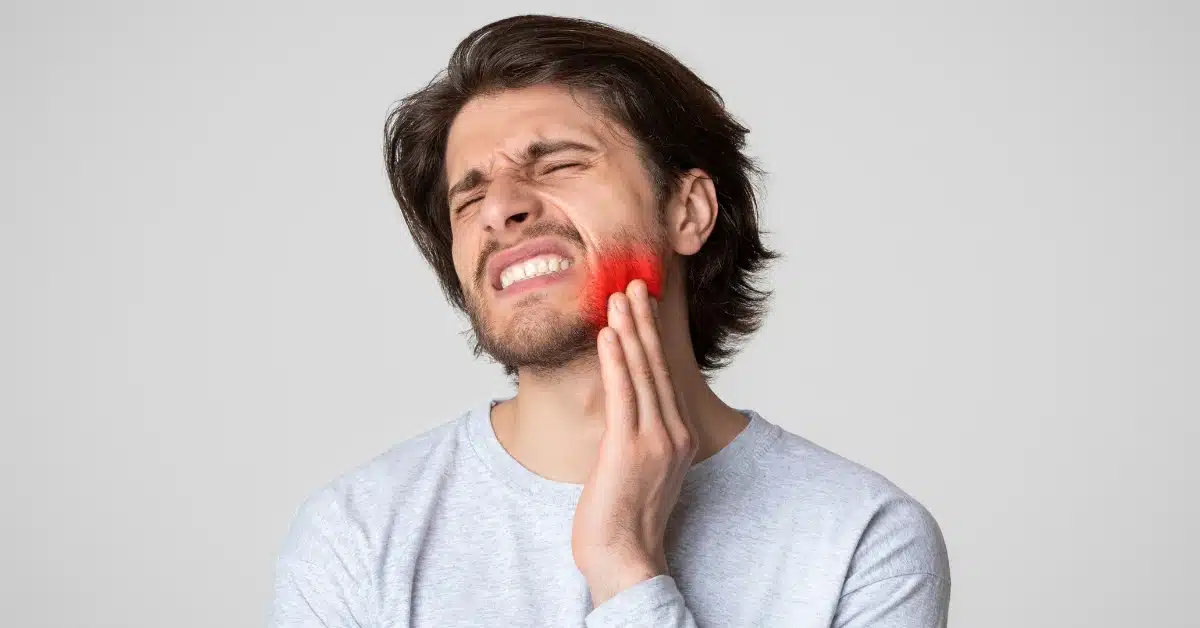
TMJ Treatment Options: Cost and Las Vegas Dentist Advice
TMJ treatment options are not one-size-fits-all. Treatment is a step-by-step process that starts with finding out whether your jaw pain is coming from the joint, the muscles around the jaw, clenching, teeth grinding, bite strain, or a mix of several causes.
For many people, treatment begins with conservative care: softer foods for a short period, heat or ice, jaw rest, anti-inflammatory medication when appropriate, physical therapy, stress and habit changes, and a custom oral appliance if clenching or grinding is part of the problem. More involved dental treatment, injections, or surgery may be considered only when the diagnosis points there.
At Comprehensive Dental Care in Henderson, we evaluate TMJ symptoms for patients from Henderson and the Las Vegas area. The goal is not to throw every option at the problem. The goal is to identify what is overloading your jaw, protect your teeth, and choose the least invasive treatment that fits your case.
Quick treatment snapshot
First step
Exam and diagnosis
Identify whether pain is coming from muscles, the joint, grinding, tooth wear, bite strain, or another source.
Common path
Conservative care
Jaw rest, habit changes, physical therapy, medication when appropriate, and a custom nightguard when clenching is involved.
When needed
Dental or specialist care
Bite evaluation, restorative dentistry, imaging, injections, specialist referral, or surgery only when the diagnosis supports it.
What TMJ Treatment Usually Means
TMJ stands for temporomandibular joint, the joint that lets your lower jaw open, close, and move side to side. People often say “TMJ” when they mean TMJ disorder or TMD, a group of problems that can affect the joint, the chewing muscles, or both.
That distinction matters. A person with sore chewing muscles from nighttime clenching may need a very different plan than someone with arthritis inside the joint. Someone with worn teeth and morning headaches may need a different path than someone whose jaw locks or cannot open normally.
The National Institute of Dental and Craniofacial Research advises people to be cautious with irreversible treatments for TMD and to understand the risks before surgery or procedures that permanently change the jaw joint. That matches how we think about treatment in a dental setting: start with diagnosis, use conservative options first when they fit, and escalate only when there is a clear reason.
Common TMJ Symptoms Dentists Look For
TMJ symptoms can be confusing because they do not always feel like a tooth problem. Some patients come in because they think they have an ear issue, a headache pattern, or a sinus problem. Others notice tooth wear before they connect it to jaw strain.
- Jaw pain near the ear or along the cheek
- Clicking, popping, or grinding sounds in the jaw joint
- Morning jaw soreness or headaches
- Limited opening or a jaw that locks
- Pain while chewing tougher foods
- Tooth wear, cracked teeth, or sensitivity from clenching
- Neck, temple, or facial muscle tension
- Ear pressure when no ear infection is present
Not every click needs treatment. A painless click that has been stable for years may not be urgent. Pain, locking, limited opening, tooth damage, and symptoms that keep returning deserve a closer look.
Conservative TMJ Treatment Options
Most TMJ treatment options start with care that does not permanently change the teeth or jaw. This is especially important when symptoms are new, mostly muscular, or tied to habits like clenching.
Short-Term Self-Care
Short-term self-care can calm an irritated jaw while you figure out what is causing the problem. That may include eating softer foods, avoiding gum, limiting wide yawns, using heat or ice, and paying attention to daytime clenching. This is not a complete plan for every case, but it can reduce strain while the jaw settles.
Medication For Pain And Inflammation
Some patients use over-the-counter anti-inflammatory medication for short-term pain relief, if their physician or dentist says it is safe for them. In more painful cases, a clinician may discuss muscle relaxers or other medication. Medication may help symptoms, but it does not fix a bite problem, a grinding habit, or a damaged joint by itself.
Physical Therapy And Jaw Exercises
Physical therapy can help when jaw muscles, neck posture, mobility, or joint mechanics are part of the issue. The useful version is specific. It is not just opening and closing your mouth in front of a mirror. A good plan may include guided movement, muscle release, posture work, and home exercises that match your diagnosis.
Custom Nightguards And Oral Appliances
If you clench or grind, a custom nightguard can protect your teeth and reduce the load on your jaw muscles while you sleep. It does not magically stop grinding. It creates a better barrier than your natural teeth taking the force night after night.
This is where fit matters. A store-bought guard may feel bulky, uneven, or loose. A dentist-made appliance is built from your bite and adjusted so the teeth meet in a controlled way. For a patient with TMJ symptoms, that detail is not cosmetic. It affects comfort and jaw load.
Dental TMJ Treatment Options
Dental TMJ treatment options come into the picture when the exam shows that teeth, bite, missing teeth, old restorations, or grinding damage are part of the pattern. This is why a general dentistry visit is often a practical starting point for jaw pain.
The mistake is assuming every TMJ case is a bite case. Some are. Some are not. A careful exam should separate muscle pain, joint problems, bite strain, and grinding damage before any permanent dental change is considered.
Advanced Options: Injections, Specialists, And Surgery
Advanced TMJ treatment options may be appropriate when conservative care does not work, symptoms are severe, or the joint itself is damaged. That can include injections, oral and maxillofacial specialist care, imaging, arthroscopy, or surgery in select cases.
Surgery is not where most people should start. Mayo Clinic describes surgery as one of several options when symptoms persist and other approaches are not enough. Cleveland Clinic similarly describes starting with less invasive therapies before surgery. In plain English: surgery has a place, but it should earn its place.
If you have jaw locking, major limitation in opening, injury, suspected arthritis, or pain that does not respond to conservative care, referral may be the right move. A dentist can help decide whether the next step belongs in general dentistry, physical therapy, sleep medicine, or an oral surgery setting.
How Much Does TMJ Treatment Cost?
TMJ treatment cost depends on what is causing the symptoms and how far treatment needs to go. Simple TMJ treatment options, such as an exam and appliance plan, cost far less than imaging, specialist care, full-mouth bite rehabilitation, or surgery. That is one reason diagnosis matters financially, not just medically.
Lowest starting point
Initial dental exam
Cost varies with imaging, records, and whether other dental issues are found.
Often low cost
Self-care and short-term medication
Depends on medical history and what is safe for the patient.
Moderate cost
Custom nightguard or oral appliance
Depends on appliance type, adjustments, and follow-up.
Varies by provider
Physical therapy
Number of visits and referral requirements differ.
Can be higher
Restorative or bite-related dental work
Depends on tooth damage, number of teeth involved, and materials.
Highest range
Specialist care or surgery
Depends on imaging, diagnosis, procedure type, anesthesia, and insurance.
Insurance coverage can be inconsistent because TMJ care may sit between dental and medical benefits. Some plans cover exams, imaging, appliances, or specialist treatment. Others limit coverage. Before starting a larger plan, ask for a cost estimate and benefit check so you know what is dental, what is medical, and what may be out of pocket.
What Las Vegas Dentists Usually Recommend First
For a Las Vegas or Henderson patient with jaw pain, the first recommendation is usually not dramatic. It is an exam. That sounds boring, but it prevents the two most common mistakes: ignoring grinding until teeth break, or jumping into TMJ treatment options that do not match the cause.
A dentist will usually look for tooth wear, cracked teeth, muscle tenderness, bite imbalance, limited opening, joint sounds, clenching habits, and whether symptoms show up more in the morning or during the day. Morning symptoms often point toward nighttime clenching or grinding. Pain while chewing may point toward muscle fatigue, joint irritation, or a dental issue. Locking changes the conversation entirely.
If you need a local starting point, our TMJ treatment in Henderson page explains how Comprehensive Dental Care evaluates jaw pain and related symptoms.
How This Guide Fits With Our TMJ Cure Guide
This article covers the treatment menu: what options exist, what they cost, and how dentists think through them. If your main question is whether TMJ can be fixed for the long term, read our guide on how to cure TMJ permanently. That page goes deeper into cause-based relief, long-term control, and why some cases resolve while others need ongoing management.
There is overlap, naturally. But the decision is different. A treatment-options guide helps you understand the choices. A cure-focused guide helps you understand whether lasting relief is realistic in your case.
When To Schedule A TMJ Evaluation
Schedule an evaluation if jaw pain lasts more than a few days, keeps coming back, limits how far you can open, or appears with headaches, ear pressure, clicking, tooth wear, cracked teeth, or morning soreness. You should also get checked if a partner hears grinding at night or if your teeth feel sore when you wake up, because the right TMJ treatment options depend on what is causing the strain.
If clenching and grinding are part of the picture, our guide to teeth grinding and bruxism explains why jaw pain often keeps returning until the grinding pattern is addressed.
For patients in Henderson and Las Vegas, Comprehensive Dental Care can evaluate your jaw, teeth, bite, and symptoms, then recommend practical TMJ treatment options for your case. Call (702) 919-6206 or contact the office to schedule a visit.
FAQs About TMJ Treatment
What is the best treatment for TMJ?
The best TMJ treatment depends on the cause. Muscle-related symptoms may improve with jaw rest, physical therapy, habit changes, and a custom nightguard. Bite strain, grinding damage, arthritis, or joint injury may need different TMJ treatment options. A dental exam helps narrow the cause before treatment starts.
How much does TMJ treatment cost?
TMJ treatment cost can range from a basic exam and conservative care to a custom appliance, physical therapy, restorative dentistry, specialist care, or surgery. The cost depends on diagnosis, imaging, appliance type, insurance coverage, and whether dental damage also needs treatment.
Can a dentist treat TMJ pain?
Yes, dentists commonly evaluate TMJ pain, jaw soreness, bite strain, tooth wear, clenching, and teeth grinding. A dentist may recommend a custom nightguard, bite evaluation, restorative care, self-care changes, or referral to a specialist when symptoms point beyond general dental care.
Do nightguards fix TMJ?
A nightguard can help when clenching or grinding is overloading the jaw muscles and teeth. It protects the teeth and may reduce jaw strain, but it does not fix every TMJ disorder. Joint damage, arthritis, locking, or major bite problems may need additional evaluation.
When is TMJ surgery needed?
TMJ surgery is usually reserved for severe, persistent, or structural joint problems after conservative care has not worked or when imaging and specialist evaluation show a clear need. Most patients should start with less invasive treatment unless there is an urgent joint issue.
Next step
Find out what is actually overloading your jaw.
Bring your symptoms, grinding history, and questions about cost. The team can evaluate your bite, teeth, and jaw symptoms before recommending a treatment path.
Schedule a TMJ Evaluation